Echinacea Tea: What It Can and Can't Do for Colds
Echinacea is one of the best-selling herbs for the cold season. Here's an honest look at the evidence and how to use it.
15 August 2022 · 1 min read
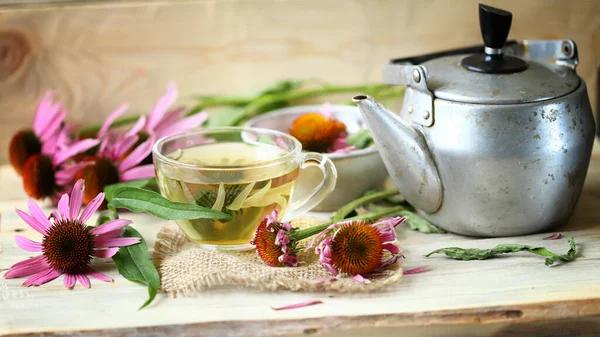
Echinacea, or purple coneflower, is native to North America. Indigenous peoples used it for wounds and infections long before it became a European pharmacy staple.
What the research says
Studies on echinacea and colds are mixed. Some suggest it may slightly reduce the chance of catching a cold or shorten one by a day or so, especially when taken at the first sign of symptoms. Others find little effect. Much depends on the species and the part of the plant used.
In short, echinacea isn't a cure, but a warm cup at the start of a sniffle is a reasonable, low-risk comfort for most adults.
How to brew it
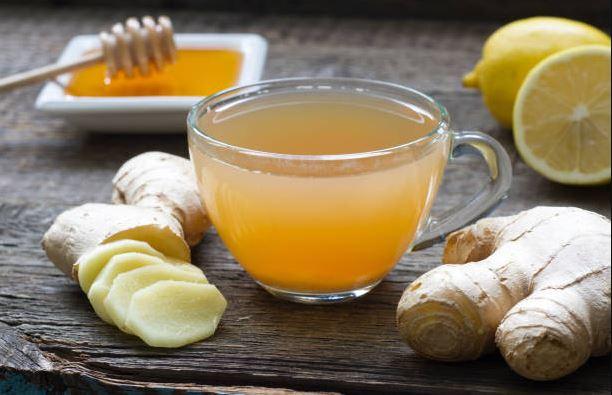
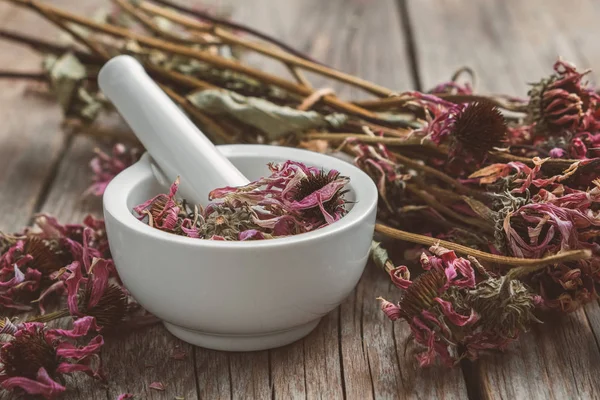
Steep 1 to 2 teaspoons of dried echinacea root, leaves or flowers in hot water for 10 to 15 minutes. It has an earthy taste and a slight tingle on the tongue, which is normal. Lemon, honey or ginger make it more pleasant.
Most herbalists suggest using echinacea for short stretches of a week or two, rather than every day all year.
Who should be careful
- Daisy-family allergies (ragweed, marigolds, chrysanthemums).
- Autoimmune conditions, or immune-suppressing medication.
- Children under 12, unless a professional advises it.
This article is for general information and isn't medical advice.