Sage Tea: Benefits, Side Effects and How Much Is Too Much
Sage is a kitchen herb with a long medicinal history. It's also one of the few teas where the dose really matters.
10 August 2022 · 1 min read

Common sage (Salvia officinalis) has soft, grey-green leaves and an earthy, slightly peppery taste. Its Latin name comes from salvere, meaning "to be saved", which tells you how highly it was once regarded.
What sage tea may help with
Sore throats. A warm sage gargle or tea is a traditional remedy for a scratchy throat, thanks to the herb's astringent and antimicrobial compounds.
Hot flushes. Sage has a long folk use for menopausal sweating, and a few small studies support it.
Oral health. Sage is a common ingredient in natural mouthwashes.
Antioxidants. Like many herbs, sage is rich in polyphenols such as rosmarinic acid.
How to brew it
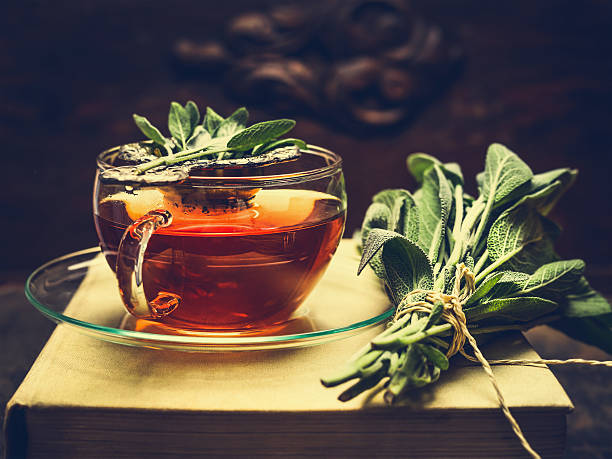
Steep 1 teaspoon of dried sage, or 5 to 6 fresh leaves, in hot water for 5 minutes. A little honey and lemon soften its flavour.
Why moderation matters
Common sage contains thujone, a compound that can be harmful in large amounts. One or two cups a day for a short period is generally considered fine for healthy adults. Avoid:
- drinking large amounts every day for weeks,
- sage essential oil taken internally,
- sage tea during pregnancy or breastfeeding (it may reduce milk supply),
- sage if you have a seizure disorder.
This article is for general information and isn't medical advice.