
5 Unbelievable Health Benefits of Ginger Tea
by Abigail Matthew | Last updated on [wpdts-month-name-short] [wpdts-day days=”-5″], [wpdts-year]
Unlock the Secrets of Top-Notch Health With Ginger Tea
Ginger tea is a soothing and invigorating drink that promises you a lot of potential health benefits. Though this tea has been around for centuries, many people are just getting to know about its amazing strengths and prowess.
Over the years, Ginger tea has been consumed for its beautiful flavor profile, but there is a lot more to this drink than just its taste. I mean, who could have thought that a combination of ginger root and hot water would produce a solution with so much potential.
Such is the story of ginger tea and it actually dates back to hundreds of years ago when it was being used in Traditional Chinese Medicine as herbal remedy for a number of ailments.
While it’s common to see people consume this lightly spicy drink to shake off the cold especially during winter, you can never be wrong when you drink ginger tea at any time of the year.
Ginger tea also makes for a light, alcohol-free alternative to a nightcap, it has been certified free of caffeine, so that eliminates the fear of staying awake at bedtime, if there was never any.
Treating yourself to a cup of ginger tea everyday can go a long way to add value to your general wellbeing. Its antioxidant properties can serve as a neutralizer to health treats such as heart disease and many others.
While researchers continue to look at the possible health benefits of ginger tea, anecdotal evidence from users has made certain claims that we can’t ignore, so kindly read along to get the full gist…

What is Ginger Tea?
If you had that picture of a tea bag, fiddly spices, and those hard-to-source ingredients in your head when you heard ginger tea, well that was also me sometime ago.
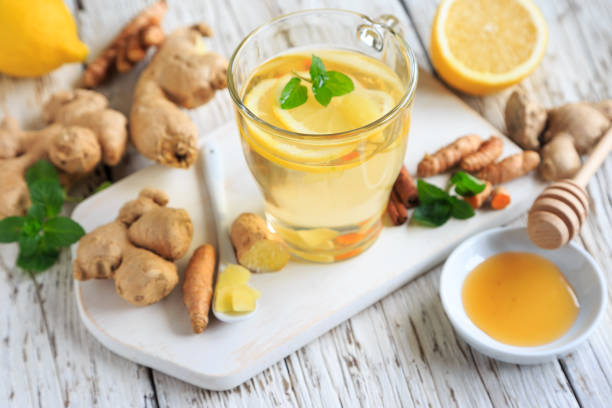
However, contrary to what you might think, ginger tea isn’t the regular tea you’re used to. In fact, just like other herbal teas, ginger tea is just an infusion of fresh ginger herb steeped in boiled water. This beverage is just incredible and very simple to make.
This recipe brightens up the flavor with fresh lime juice and sweetens it with honey. It can be enjoyed either hot or cold, it’s really easy to mix up a big batch to store in the fridge.
Ginger tea has a long history in various parts of Asia where it’s often referred to as shōgayu, saenggang-cha, teh halia, teh jahe, or salabat.
For centuries, the Asian people have used ginger tea for both medicinal and culinary purposes. Some historians believe ginger tea was created as early as the Tang dynasty in seventh century China, when ginger was added to tea as a flavor enhancer.1 Since then, it has been used as a treatment for nausea, high blood pressure, pain, inflammation, weight management, and more.
| # | Preview | Product | Rating | Price | Buy |
|---|---|---|---|---|---|
| 1 |  | Traditional Medicinals Organic Ginger Herbal Leaf Tea |  | $28.56 |  |
| 2 | 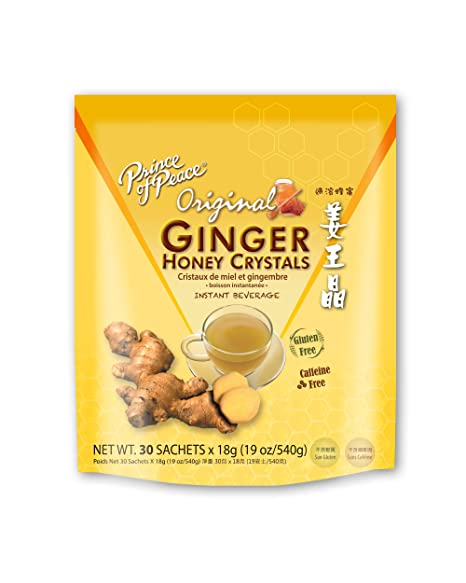 | Ginger Tea with Honey Crystals | | $13.81 | |
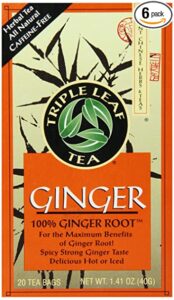
| 3 | 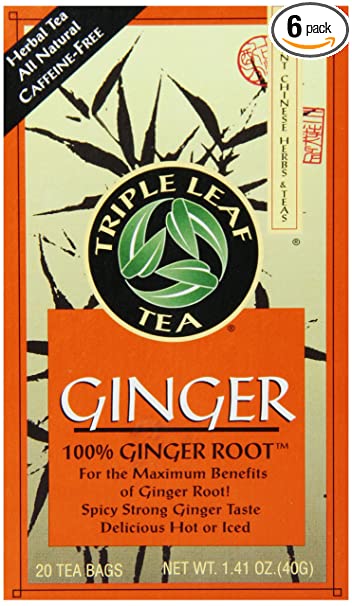 | Triple Leaf Ginger Tea | | $26.19 | |
| 4 | 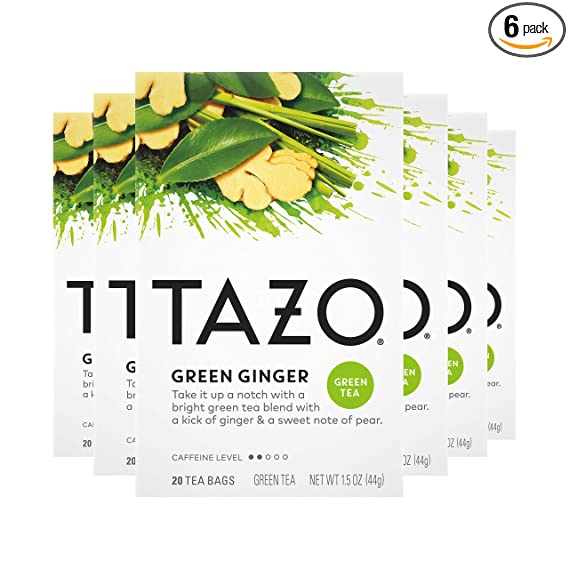 | Tazo Green Ginger Tea | | $17.94 | |
Best Methods to Prepare Ginger Tea
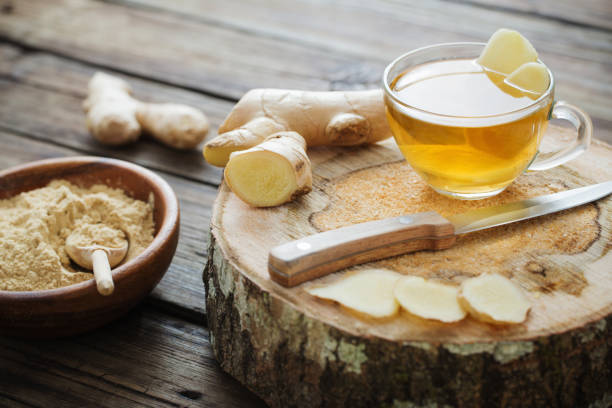
Making ginger tea should count as one of the easiest tasks to complete ever. It doesn’t take a lot of time, effort or ingredients to brew a cup. All you will need is a piece of ginger roots and, of course, boiling water. start with a chunk of fresh ginger. (A 1-inch piece is large enough.) Wash and peel the ginger, slice it into a few pieces, and place the slices in the bottom of a heat-resistant mug. Next, pour boiling water over the ginger and steep for up to 10 minutes, depending on how strong you like your tea. Strain out the ginger slices, add honey or lemon juice if desired, and serve.
Easy Ginger Tea
Makes 1 serving
Ingredients:
- 1-inch piece of ginger root, peeled and sliced into pieces
- 1 cup boiling water
- Honey or lemon juice (optional)
Directions:
- Put the ginger root piece directly in a mug.
- Add the boiling water and steep for 5 to 10 minutes.
- Add honey or lemon juice to taste, if desired.
This basic ginger tea recipe is a jumping-off point for all sorts of other flavor variations. You can try steeping a piece of peeled turmeric along with your ginger, or flavor your tea with maple syrup, lime juice, or black pepper. If the taste is too strong, you can always add more hot water to dilute it.
Ginger tea makes for a light, alcohol-free alternative to a nightcap. It has been certified free of caffeine, so that eliminates the fear of staying awake when you drink this bevergae at bedtime.
Alternative Method
You can also try this ginger tea method, it’s easy and one of the best ways to go about brewing this herb. Here’s how to do it:
- Thinly slice your fresh ginger. You don’t need to peel it first, but rinse it and scrub off any visible dirt. Plan on using about a one-inch piece of ginger per cup of tea.
- In a saucepan, combine the ginger with fresh water (use one cup of water per serving).
- Bring the mixture to a boil over high heat. Reduce the heat as necessary to maintain a gentle simmer.
- Simmer for five minutes (or up to 10 minutes, if you want extra-strong tea). I usually think it’s pungent enough at five minutes.
- Pour the tea through a fine sieve to catch all of the ginger. If desired, serve your tea with a thin round of lemon or orange for some complementary acidity. You might also appreciate a light drizzle of honey or maple syrup, which will temper the fiery ginger flavor.
Simple Tip for Peeling Ginger Root
If you have chosen to make ginger tea at home, there is a little challenge that may put you off and that’s peeling your fresh ginger. Ginger root has a bumpy skin with lots of knobs, and the skin is rather tough.
Here’s a trick for the best way to peel fresh ginger: peel it with a spoon! It sounds odd until you try it. A spoon easily peels around the odd shapes of ginger, much better than a vegetable peeler can. Give it a try and you’ll be amazed at how well it works!
Ginger Tea Potential Health Benefits
As stated earlier, ginger tea has been around for centuries, however, not all of its acclaimed health benefits have been subjected to scientific test. Having said that, there are anecdotal evidence pointing to certain health effects that ginger tea consumption may induced, check them out below;
May boost Immunity
Ginger tea is packed with antioxidant properties, and this could also play a role in supporting the immune system. Additionally, with its antiviral and antibacterial properties, ginger could fight pathogens, reducing your chances of getting sick in the first place.
Helps Relieve Nausea
Of all ginger’s potential benefits, nausea relief is probably its most well-known. Many people reach for ginger chews, ginger ale, or ginger tea during a bout of stomach flu or motion sickness.
Fortunately, the hype is real! Current research supports the use of ginger for a queasy stomach.
A 2016 study, for example, concluded that, for nausea and vomiting in chemotherapy, pregnancy, and motion sickness, ginger was a safe, effective, and inexpensive treatment.
However, a similar study emphasized that, though ginger was effective for morning sickness, its clinical value and safety profile were unknown. Another review from 2019 found that ginger improved nausea, vomiting, and fatigue in chemotherapy patients.

May Help with Blood Pressure
A cup of something warm and soothing can always help lower stress levels and ginger tea may go above and beyond by actually decreasing your blood pressure. A large study from 2017 found that people who drank ginger tea daily had reduced risk of hypertension and coronary heart disease.
May Relief Pain
Inflammation and pain go hand in hand, so it’s not surprising that ginger, with its anti-inflammatory properties, could help relieve physical pain. Research shows that ginger could help reduce pain after intense exercise, for example.
Chronic pain could also find a friend in ginger. Studies have indicated that supplementing with ginger could improve inflammatory joint conditions like osteoarthritis and rheumatoid arthritis.89 Still, more research is needed to definitively prove its effects.
May Reserve Aging
How about if you can drink your wrinkles away? Perhaps not, but ginger tea might make a dent in the aging process. A 2019 review surveyed the relationship between ginger and aging and degenerative diseases.
Researchers concluded that the antioxidant compounds in ginger could reduce inflammation that leads to certain degenerative conditions.5 However, more research is needed to determine the extent to which ginger could reduce signs of aging and age-related conditions.
Possible Side Effects of Ginger Tea
While it’s very rare for ginger tea to cause side effects in people, it’s possible to experience some problems from drinking too much of it. Although there’s no set amount of ginger or ginger tea that’s considered too much, some studies have recommended an upper limit of 1,000 mg of ginger per day to soothe nausea and vomiting in pregnancy. (For reference, that’s about 1 teaspoon freshly grated ginger or 4 cups of tea.)
The following are some possible side effects that may arise if you over-consuming ginger tea.
- Heartburn: Some research has reported that ginger tea could cause heartburn for people who are sensitive to it. According to a 2020 review, 16 studies showed that people who consumed between 500 and 2,000 mg of ginger per day experienced heartburn.11 If you have acid reflux, you may need to keep your intake of ginger tea to a minimum.
- Slowed blood clotting: Ginger’s potential for slowing blood clotting has its downsides. People who are approaching surgery, have bleeding disorders, or are taking anticoagulant medications like warfarin or aspirin should avoid drinking too much ginger tea.
- Stomach upset: Though ginger tea can be helpful for stomach ailments like nausea, for some people, drinking it in excess can cause indigestion, diarrhea, or loose stools.
https://www.youtube.com/watch?v=jF8cQ7JwRQM
Summary
Treating yourself to a cup of ginger tea everyday can go a long way to add value to your general wellbeing. Its antioxidant properties can serve as a neutralizer to health treats such as heart disease and many others.
While researchers continue to look at the possible health benefits of ginger tea, anecdotal evidence from users has made certain claims that we just simply can’t ignore, which is why I will urge you to give this herbal tea a chance.
Review of Best Ginger Tea
Quality of Ingredients: Organic ginger root, organic lemongrass, and organic licorice root are just a few of the premium, all-natural ingredients used to make Yogi Ginger Tea. The tea is USDA-certified organic and free of synthetic flavors, colors, and preservatives. Pure, organic ingredients are used, which guarantees a high standard of quality and purity.
Taste: This ginger tea has a toasty, smoky flavor with a touch of licorice root sweetness. The ginger is balanced off by the mild citrus flavor that the lemongrass imparts. The flavor is quite cozy and delightful overall.
Yogi Ginger Tea has a high ginger content, which contributes to its powerful flavor and health advantages. Your cup of ginger will be of the highest caliber because it is organic and responsibly sourced.
Caffeine: Because this ginger tea is naturally devoid of caffeine, it’s a perfect choice for people who are sensitive to the substance or who want a caffeine-free substitute for regular tea or coffee.
Brewing Instructions: Steep 1 tea bag in 8 ounces of boiling water for 5-7 minutes to make Yogi Ginger Tea. Tea can be consumed hot or cold, and it can be tastefully sweetened with honey or sugar. The brewing directions are clear and simple to understand.
Reputation of the Brand: Yogi Tea is a well-known company that has been making premium, all-natural teas and herbs for more than 30 years. The business is renowned for its emphasis on holistic health and wellbeing and is dedicated to sustainability and ethical sourcing methods.
Yogi Ginger Tea is reasonably priced; a box containing 16 tea bags costs about $5. Although it’s not the most affordable ginger tea on the market, the premium ingredients and delicious flavor make it a decent value.
Overall, Yogi Ginger Tea is a high-quality, flavorful, and satisfying ginger tea that is a great choice for anyone looking for a caffeine-free beverage with health benefits. While the flavor may not be for everyone, those who enjoy a spicy, warming tea will appreciate the taste and quality of this product. The organic ingredients, easy brewing instructions, and reputable brand make this tea a great value for the price.
Pros
-
Made with high-quality, organic ingredients -
Spicy, warming flavor with a hint of sweetness and citrus -
High percentage of organic ginger root -
Naturally caffeine-free -
Easy to brew and customize -
Produced by a reputable, well-known brand -
Good value for the price
Cons
-
Some may find the spiciness of the tea to be too strong -
Not suitable for those who prefer a milder tea flavor
| # | Preview | Product | Rating | Price | Buy |
|---|---|---|---|---|---|
| 1 | | Traditional Medicinals Organic Ginger Herbal Leaf Tea | | $28.56 | |
| 2 | | Ginger Tea with Honey Crystals | | $13.81 | |
| 3 | | Triple Leaf Ginger Tea | | $26.19 | |
| 4 | | Tazo Green Ginger Tea | | $17.94 | |
EDITORS PICK OF THE BEST GINGER TEA
BEST SELLING GINGER TEA
BESTSELLER NO. 1
SALE
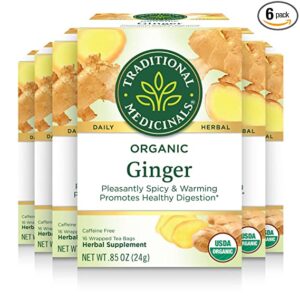
Traditional Medicinals Organic Ginger Herbal Leaf Tea
$314.95
BESTSELLER NO. 2
SALE
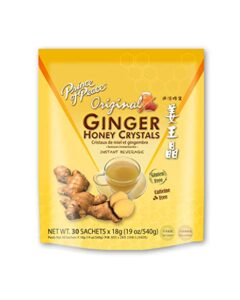
Ginger Tea with Honey Crystals
$13.81
BESTSELLER NO. 3
SALE
BESTSELLER NO. 4
SALE