
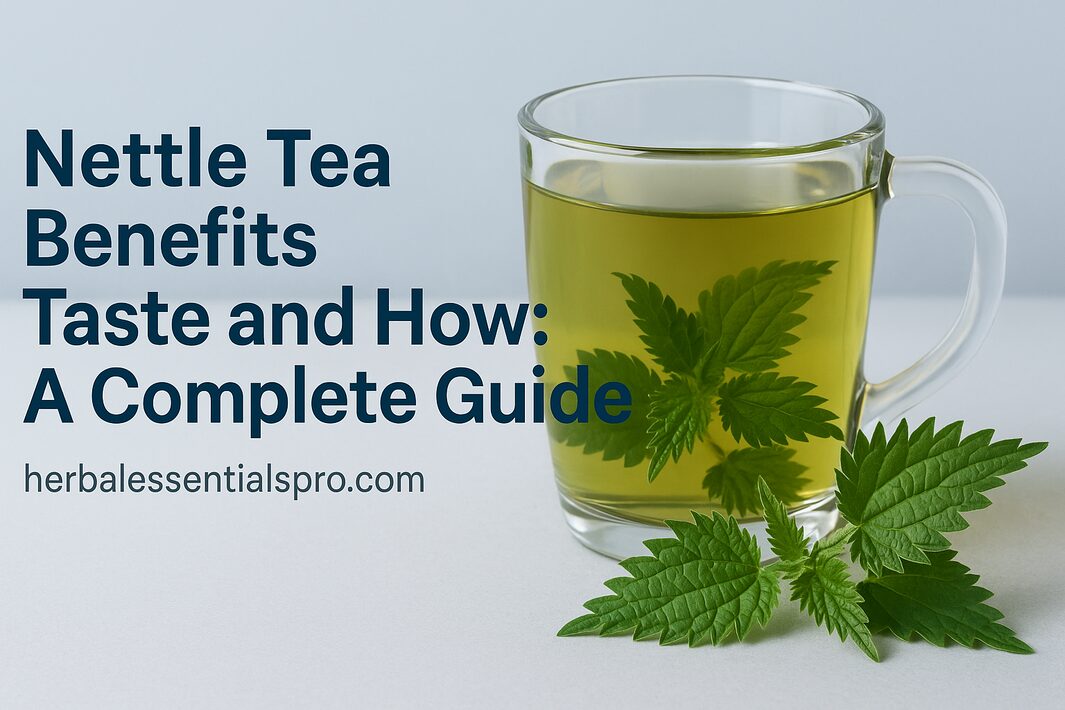
Introduction to Nettle Tea
Nettle tea, brewed from the leaves of the stinging nettle plant (Urtica dioica), has been valued for centuries as both a natural remedy and a refreshing herbal drink. Originally known for its sting, the nettle plant is now appreciated for its wide array of health benefits and distinctive flavor. This guide explains why nettle tea remains popular among herbal tea lovers and health-conscious individuals.
Traditionally, nettle tea has been used in medicine across Europe, Asia, and North America to promote wellness and ease various ailments. Today, more people are incorporating nettle tea as a natural addition to their daily health routines.
Whether you’re new to herbal teas or want to learn more, understanding nettle tea benefits, taste, and how to prepare it correctly can enhance your experience and wellbeing.
Health Benefits of Nettle Tea
Nettle tea is rich in nutrients and active compounds that support its health-promoting effects. Here are some of the main benefits backed by both science and tradition:
- Rich in Vitamins and Minerals: Nettle leaves offer vitamins A, C, K, and several B vitamins, along with minerals like iron, calcium, magnesium, and potassium. These nutrients help support overall health, including immune and bone health.
- Anti-Inflammatory Effects: Flavonoids and phenolic acids in nettle tea have anti-inflammatory properties, which may help reduce inflammation and benefit conditions such as arthritis.
- Antioxidant Support: The antioxidants in nettle tea help neutralize free radicals, protecting cells from oxidative stress and promoting healthy aging.
- Allergy Relief: Some studies indicate that nettle tea may ease hay fever and seasonal allergy symptoms by acting as a natural antihistamine. For more information on this topic, you might find our article on discover the best weight-loss products for helpful as it touches on natural remedies that support overall wellness.
- Supports Urinary Health: Traditionally, nettle tea has been used to support urinary tract health and kidney function.
Precautions: Although nettle tea is generally safe for most people, pregnant or breastfeeding women, those with kidney issues, or individuals on medication should consult a healthcare provider before regular use to avoid possible interactions or side effects.
Taste Profile of Nettle Tea
Nettle tea has a distinctive flavor that’s earthy, grassy, and slightly vegetal with a mild bitterness. Its taste is often described as similar to green tea but softer and more herbaceous.
The flavor can vary depending on the quality of the nettle leaves—fresh or dried—and the brewing method. Oversteeping can make the tea too bitter, while understeeping may result in a weak taste.
Many enjoy pairing nettle tea with herbs like mint, lemon balm, or chamomile to boost its flavor and aroma. Adding a bit of honey or a slice of lemon can also balance the natural bitterness with a touch of sweetness.
How to Prepare Nettle Tea
Proper preparation is essential to fully enjoy nettle tea’s benefits and flavor. Follow these steps:
- Select Quality Nettle Leaves: Use organic dried nettle leaves or fresh leaves if you can safely source them. Avoid nettles exposed to pesticides or pollution.
- Boil Fresh Water: Heat filtered or fresh water to a rolling boil (around 212°F or 100°C). For detailed brewing techniques applicable to nettle tea, see our guide on 6 best teas for digestion 8211.
- Steep the Leaves: Place 1 to 2 teaspoons of dried nettle leaves (or about a handful of fresh leaves) in a teapot or infuser. Pour the boiling water over them.
- Steeping Time: Let the tea steep for 5 to 10 minutes. Longer steeping increases bitterness, so adjust to your taste.
- Strain and Serve: Strain out the leaves and pour the tea into a cup. Enjoy it hot or cooled as iced nettle tea.
- Optional Enhancements: Add natural sweeteners like honey, a squeeze of lemon, or blend with other herbs to customize the flavor.
Tips for Maximizing Benefits and Taste
- Drink at Optimal Times: Having nettle tea in the morning or early afternoon can offer a gentle energy lift and support hydration.
- Combine with Other Herbs: Mixing nettle with peppermint or ginger can improve digestion and add flavor complexity.
- Store Properly: Keep dried nettle leaves in an airtight container away from light, heat, and moisture to maintain freshness and potency. Learn more about how to store dried herbs so they stay fresh longer in our detailed guide.
- Use Fresh Water: Always brew with fresh, filtered water to avoid off-flavors and extract maximum benefits.
- Start Slowly: If you’re new to nettle tea, begin with small amounts to watch for any sensitivity or reactions.
Common Mistakes to Avoid
- Oversteeping: Brewing nettle tea too long can create a bitter, astringent flavor that might discourage regular drinking.
- Using Low-Quality Leaves: Poor-quality or contaminated nettle leaves can reduce benefits and introduce unwanted substances.
- Ignoring Allergies or Interactions: Some people may be allergic to nettle or experience interactions with medications like blood thinners or diuretics.
- Harvesting Wild Nettles Unsafely: Avoid picking wild nettles near roads, industrial areas, or places treated with chemicals.
- Drinking Excessively: Excessive intake might cause digestive issues or other side effects; moderation is important.
Frequently Asked Questions
Is nettle tea safe during pregnancy?
Pregnant women should check with their healthcare provider before drinking nettle tea, as it may affect blood pressure and uterine activity.
Can nettle tea help with allergies?
There is some evidence that nettle tea may reduce allergy symptoms due to its natural antihistamine effects, but it should not replace prescribed allergy medications. For additional natural options, consider exploring our article on chamomile tea can benefit you in various health aspects.
How often should I drink nettle tea?
For most adults, 1 to 3 cups a day is generally safe, but individual tolerance can vary.
Can I use fresh nettle leaves for tea?
Yes, fresh nettle leaves can be used, but handle them carefully to avoid stings and make sure they are thoroughly washed and properly steeped.
Does nettle tea have caffeine?
No, nettle tea is naturally caffeine-free, making it a great herbal option for those avoiding stimulants.
Conclusion
Nettle tea is a versatile, nutritious herbal beverage with a long history and growing popularity in wellness circles. Its unique earthy flavor and rich nutrient profile make it a valuable addition to any herbal tea collection.
By understanding nettle tea benefits, taste, and how to prepare it well, you can enjoy all it has to offer while avoiding common mistakes. Remember to choose quality leaves, brew carefully, and consult a healthcare professional if you have health concerns.
Enjoy the natural goodness of nettle tea by making it part of your daily routine for a refreshing and nourishing experience.
Comparison Table: Nettle Tea vs. Other Popular Herbal Teas
| Feature | Nettle Tea | Chamomile Tea | Green Tea | Peppermint Tea |
|---|---|---|---|---|
| Main Benefits | Anti-inflammatory, antioxidant, allergy relief | Calming, sleep aid, digestive support | Antioxidant, metabolism boost, mild caffeine | Digestive aid, muscle relaxation, refreshing |
| Taste Profile | Earthy, grassy, slightly bitter | Floral, mild, sweet | Grassy, astringent, slightly bitter | Minty, cool, refreshing |
| Caffeine Content | None | None | Contains caffeine | None |
| Best Time to Drink | Morning or afternoon | Evening or before bed | Morning or early afternoon | Anytime, especially after meals |
| Common Use | Health support, allergy relief | Relaxation, sleep aid | Energy, antioxidant support | Digestive comfort |
Note: Always consult a healthcare professional before adding new herbal teas to your routine, especially if you have health conditions or are on medication.
