
Passionflower Tea: 8 Wonderful Benefits of This Impressive Drink
by Abigail Matthew | Last updated on [wpdts-month-name-short] [wpdts-day days=”-5″], [wpdts-year]
Get to Know the Value in Every Drop of Passionflower Tea
Due to its many health advantages, traditional herbal beverage passionflower tea has recently become more well-liked. The dried stems, leaves, and flowers of the passionflower plant are steeped in boiling water to make this tea. Since ancient times, traditional medicine has utilized passionflower tea to treat a wide range of conditions, including digestive problems, anxiety, and insomnia. Passionflower tea is well-known for its flavor and scent in addition to its therapeutic benefits.
This blog post’s main goal is to go into great detail on the excellent advantages of passionflower tea. We’ll look into its background, production process, and several varieties. We will also look at the scientific data that supports the numerous health advantages of passionflower tea, such as its capacity to lower blood pressure, enhance sleep quality, lessen depression’s symptoms, promote digestive health, and reduce anxiety. Also, we’ll offer tips on how to incorporate passionflower tea into your daily routine and discuss some warnings about usage.
You will be astounded by the remarkable health advantages of passionflower tea by the conclusion of this article and motivated to give it a try. So, take a cup of passionflower tea and prepare to be amazed by the many health advantages it offers.
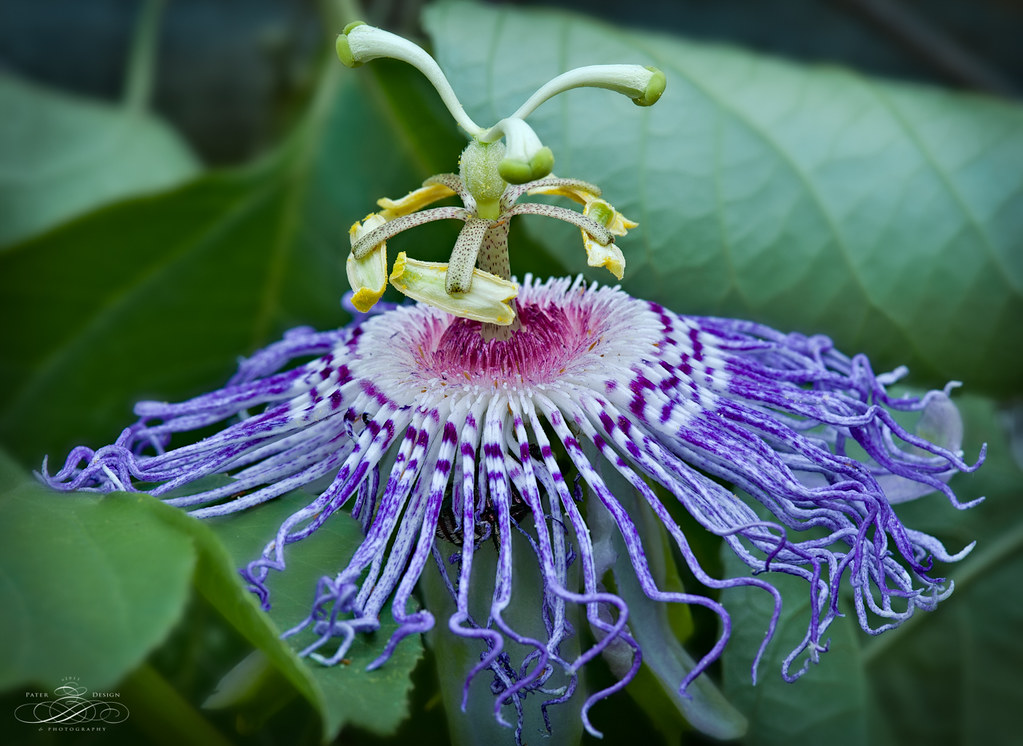
History of Passionflower Tea
Since the early American civilizations, passionflower tea has a long and illustrious history. The passionflower plant’s medical benefits are thought to have been discovered by the native South American populations, who then started utilizing it in a variety of ways, including as a tea. The plant was also employed in spiritual rituals and highly revered.
The passionflower plant was carried back to Europe by the Spanish when they arrived in South America in the sixteenth century. It immediately became well-known as an all-natural cure for conditions including insomnia, anxiety, and other maladies. Moreover, passionflower tea started to appear frequently in conventional European medicine.
Today, passionflower tea is consumed all over the world and is still valued for its therapeutic benefits.
Benefits of Passionflower Tea in Traditional Medicine
From ancient times, traditional medicine has employed passionflower tea to cure a number of ailments. It is popular for its relaxing properties and is frequently used to treat insomnia, depression, and anxiety problems. The tea is used to relieve stomach pains, indigestion, and diarrhea and is also thought to have digestive advantages.
Passionflower tea is used for its calming and pain-relieving qualities in addition to its medical benefits. Menstrual cramps, muscle discomfort, and headaches have all been treated with it.
Cultural Significance of Passionflower Tea in Other Parts of the World
Several cultures throughout the world place cultural value on passionflower tea. The herb, known as “Pasiflora” in Mexico, is used to cure nervousness and anxiety in traditional medicine. The plant, known as “Maracuja” in Brazil, is used to treat high blood pressure and sleeplessness.
The Native American passionflower was used to relieve pain, anxiety, and insomnia in traditional medicine. The plant was also utilized to create trance-like states during spiritual rites.
Passionflower tea has been increasingly popular in recent years due to its calming and relaxing properties. It is now a well-liked natural cure for anxiety and sleeplessness and is frequently used instead of prescription drugs.
| # | Preview | Product | Rating | Price | Buy |
|---|---|---|---|---|---|
| 1 | 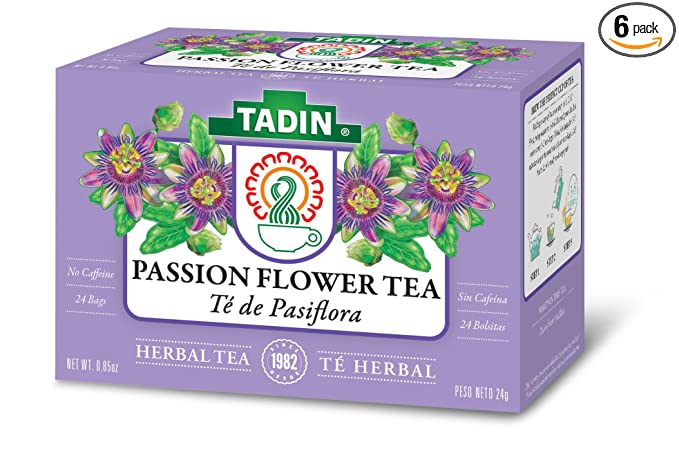 | Tadin Passion Flower Herbal Tea |  | $24.16 |  |
| 2 | 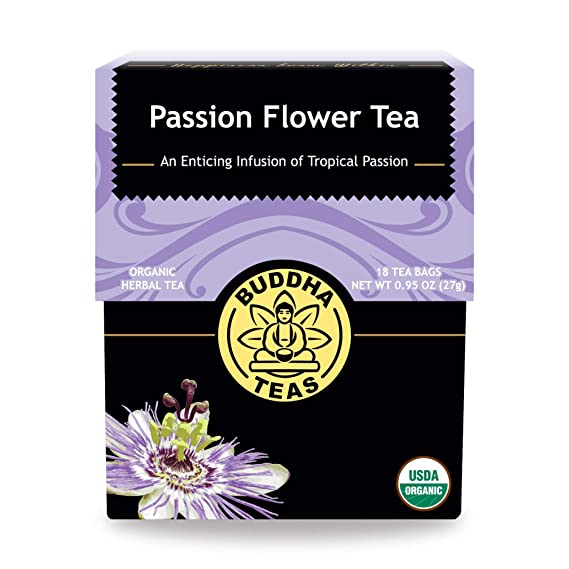 | Tadin Hibiscus Herbal Tea | | $7.49 | |
| 3 | 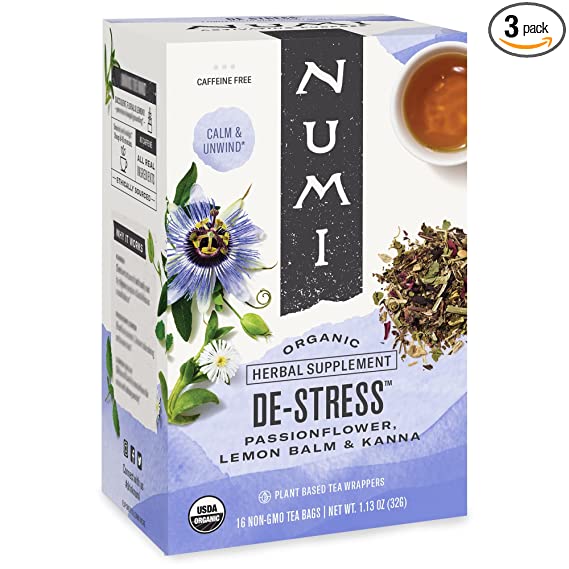 | Numi Organic Passionflower Tea | | $26.19/a> | |
| 4 | 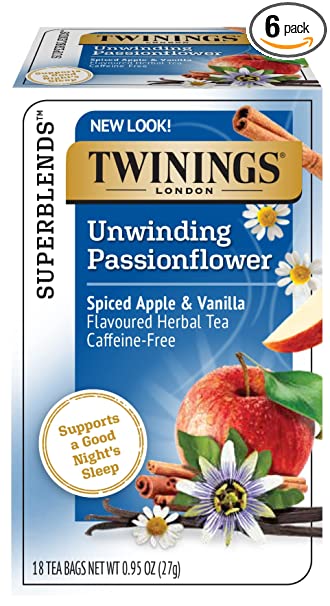 | Twinings Superblends Unwinding Passionflower Tea | | $28.80 | |
How Passionflower Tea is Made
The dried leaves, stems, and flowers of the passionflower plant are steeped in hot water to create passionflower tea, a herbal beverage. The tea has been used for ages in traditional medicine to cure a variety of diseases because of its well-known calming and relaxing properties. The method for preparing passionflower tea, its various varieties, and some advice on how to brew passionflower tea effectively are all covered in this blog post.
You’ll need dried passionflower stems, blossoms, and leaves to brew the tea. Alternatively, you can produce your own tea bags by drying plant material and storing it in an airtight container.
Bring water to a boil, then let it cool for a few minutes to prepare tea. Add the boiling water to the teapot or tea infuser along with the passionflower leaves, stems, and blossoms. Depending on how strong you prefer your tea, allow the tea to steep for 5 to 10 minutes. Enjoy the tea after straining.
Various Types of Passionflower Tea
There are several ways to enjoy passionflower tea. To sweeten the tea, you can add honey or lemon, or you can combine it with other herbal teas to make a custom blend. For a rich, soothing beverage, some individuals also like to add milk or cream to their passionflower tea.
Passionflower tea mixes with calming and unwinding herbs including chamomile, lavender, and valerian root are available in addition to the classic kind. These mixtures are a popular option for people who battle with insomnia or have problems falling asleep because they are frequently marketed as sleep aids.
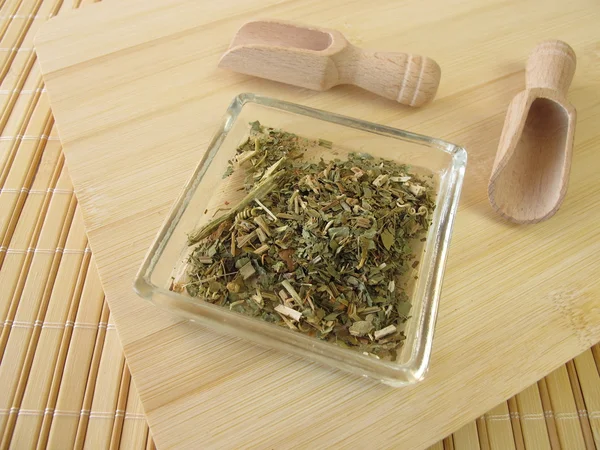
Tips on How to Properly Brew Passionflower Tea
There are a few crucial guidelines to remember in order to make passionflower tea correctly:
- Use filtered, fresh water because it will improve the taste and consistency of your tea. For optimal results, use filtered, fresh water.
- Use water that is the proper temperature, it should be warm but not boiling. After boiling, wait a few minutes before adding the tea.
- Use the correct amount of tea. For every 8 ounces of water, use around 1-2 teaspoons of dried passionflower leaves, stems, and blossoms.
- The ideal time to steep the tea is between 5 and 10 minutes, depending on how strong you prefer your tea.
- Before consuming, filter the tea using a tea strainer or a fine mesh sieve.
You can make sure that you always make the ideal cup of passionflower tea by paying attention to these suggestions. Don’t hesitate to give it a try; you could be pleasantly surprised by how enticing and soothing this tea can be.
The Benefits of Passionflower Tea
The dried leaves, stems, and blossoms of the passionflower plant are used to make the herbal tea known as “passionflower tea.” Since ancient times, this tea has been used in traditional medicine to cure a wide range of illnesses. Passionflower tea has grown in popularity recently due to its many health advantages. The top 8 advantages of drinking passionflower tea will be covered in this article, along with the supporting data for each advantage.
Relaxation and anxiety reduction
It has been demonstrated that passionflower tea has anxiolytic effects, which means it helps lessen anxiety and encourage relaxation. According to a study in the Journal of Clinical Pharmacology and Therapeutics, participants with generalized anxiety disorder who drank passionflower tea reported fewer symptoms of anxiety (GAD). According to a different study in the Journal of Ethnopharmacology, benzodiazepine medications, which are frequently prescribed to treat anxiety, and passionflower tea have effects that are comparable.
Boost sleeping conditions
The calming qualities of passionflower tea are also well recognized, and they can help with better sleep. Among participants with minor sleep disorders, a research in the Journal of Sleep Disorders & Treatment indicated that passionflower tea enhanced sleep quality. Another study indicated that postmenopausal women who drank passionflower tea had better sleep than those who did not. This study was published in the Phytotherapy Research journal.
Reduce the signs and symptoms of depression
It has been demonstrated that passionflower tea has antidepressant properties. According to a research in the Journal of Medicinal Food, participants with mild to moderate depression experienced fewer depressive symptoms after drinking passionflower tea. Another investigation indicated that the effects of passionflower tea were comparable to those of the widely used antidepressant medication imipramine.
Support for intestinal health
The digestive system can also benefit from drinking passionflower tea. According to a research in the Journal of Medicinal Plants Research, drinking passionflower tea can help relieve stomachaches such bloating, cramps, and constipation. Another investigation in the Journal of Ethnopharmacology discovered that passionflower tea had antispasmodic properties that could aid with irritable bowel syndrome symptoms (IBS).
Immune system boosting
According to research, passionflower tea contains immunomodulatory actions that help strengthen the immune system. According to a study in the Journal of Medicinal Food, passionflower tea has anti-inflammatory and antioxidant properties that can boost the immune system. Another study indicated that passionflower tea had antibacterial properties that could aid in preventing infections. It was published in the Journal of Traditional and Complementary Medicine.

Blood pressure reduction
Moreover, drinking passionflower tea may reduce blood pressure. In a research with participants who had mild hypertension, the journal Phytotherapy Research reported that passionflower tea was successful in lowering blood pressure. Another study indicated that passionflower tea has a hypotensive effect, which can help lower blood pressure. This study was published in the Journal of Herbal Medicine.
Reduce discomfort and headaches
It has been demonstrated that passionflower tea has analgesic properties, which means it can ease pain and headaches. A research in the Journal of Ethnopharmacology discovered that rats who drank passionflower tea had pain relief. According to a different study in the Journal of Herbal Medicine, aspirin and passionflower tea both relieve pain and headaches in a comparable ways.
Inflammatory-reducing qualities
Furthermore anti-inflammatory, passionflower tea can help lessen inflammation in the body. Rats were shown to benefit from passionflower tea’s anti-inflammatory properties in a Journal of Medicinal Food study. A second study that was printed in the Journal of Ethnopharmacology discovered that mice’s inflammation was reduced by passionflower tea.
How to Incorporate Passionflower Tea into Your Diet
- An adaptable herbal tea, passionflower tea can be consumed everyday in a variety of ways. This tea is a wonderful complement to your daily routine because of its reputation for promoting calmness and relaxation. In this post, we’ll go over some tips for incorporating passionflower tea into your diet, present several recipes that call for it, and offer some warnings about drinking it.
https://www.youtube.com/watch?v=B4X5U9yOSOY
Ways to Incorporate Passionflower Tea into Your Daily Routine
- As a morning beverage: Instead of your typical cup of tea or coffee, start your day with a cup of passionflower tea. You will experience more peace and relaxation all day long as a result.
- Making a cup of passionflower tea will help you unwind and refocus in the afternoon instead of going for a sweet snack or a cup of coffee.
- As part of your evening routine, sip on a warm cup of passionflower tea to unwind and enhance the quality of your sleep.
- If you’re attempting to limit your alcohol consumption, think about substituting a cup of passionflower tea for your nightly glass of wine or cocktail. You can do this to unwind and unwind without the bad affects of alcohol.
Recipes That Calls for Passionflower Tea as an Ingredient
- Passionflower Iced Tea: Make a pot of strong passionflower tea, and then add honey and lemon, to taste. On a steamy summer day, pour the tea over ice and enjoy.
- Passionflower Latte: To make a delectable latte, brew a cup of passionflower tea and combine it with steamed milk and a pinch of cinnamon.
- Passionflower Smoothie: For a nutritious and revitalizing smoothie, combine passionflower tea with frozen fruit, yogurt, and honey.
Cautionary Notes on Consuming Passionflower Tea
Although passionflower tea is generally regarded as safe, there are a few things to watch out for:
- If you are expecting or nursing a baby, avoid drinking passionflower tea as it may have negative effects on fetal development and lactation.
- Medications including sedatives and anti-anxiety meds, as well as passionflower tea, may interact with one another. If you take any drugs, check with your doctor before eating passionflower tea.
- Consuming too much passionflower tea may make you feel sleepy, lightheaded, or confused.
- Stop drinking passionflower tea and speak with your doctor if you suffer any negative side effects, such as allergic responses or digestive problems.
To sum up, passionflower tea is a flexible and advantageous herbal beverage that may be included into your daily routine in a variety of ways. Passionflower tea may soothe you and enhance your general wellbeing, whether you’re searching for a night routine or a morning pick-me-up. But keep in mind to consume it in moderation, and if you have any problems, go to your doctor.
Pros
-
High-quality organic and non-GMO passionflower tea -
Fresh and potent -
Well-sealed and airtight packaging that maintains freshness -
Available in both loose-leaf and tea bags form -
Promotes relaxation, reduces anxiety, and aids sleep -
Pleasant slightly sweet and earthy taste -
Caffeine-free
Cons
-
Some may find the taste too mild compared to other herbal teas -
May take a while to see the full benefits of the tea
Conclusion
A fantastic herbal beverage with many health advantages is passionflower tea. This tea has a lot to offer, from lowering anxiety and enhancing sleep to assisting with digestion and boosting the immune system. In this essay, we covered the background of passionflower tea, its preparation, use in diet, and several advantages.
Furthermore, passionflower tea has a long history of use in traditional medicine to promote relaxation and treat a variety of ailments. According to studies, passionflower tea can help with digestion, stimulate the immune system, lower blood pressure, reduce anxiety, enhance sleep quality, help with depression symptoms, relieve pain and headaches, and have anti-inflammatory qualities.
We recommend that readers sample passionflower tea so they may see for themselves all of its advantages. Passionflower tea is a wonderful addition to your daily routine, regardless of whether your goal is to improve your general health and wellbeing, relieve stress and anxiety, or all three.
We hope that this article has given you useful information on passionflower tea and given you the motivation to include it in your diet. Never forget to drink passionflower tea in moderation, and if you have any worries, talk to your doctor. Cheers to a happy and healthy way of life!
| # | Preview | Product | Rating | Price | Buy |
|---|---|---|---|---|---|
| 1 | | Tadin Passion Flower Herbal Tea | | $24.16 | |
| 2 | | Tadin Hibiscus Herbal Tea | | $7.49 | |
| 3 | | Numi Organic Passionflower Tea | | $26.19/a> | |
| 4 | | Twinings Superblends Unwinding Passionflower Tea | | $28.80 | |
EDITORS PICK OF THE BEST PASSIONFLOWER TEA
-
Best Organic Passionflower Tea
-
Best Budget Passionflower Tea
-
Best Overall Passionflower Tea
-
Best Budget Passionflower Tea
BEST SELLING PASSIONFLOWER TEA
BESTSELLER NO. 1
SALE
Tadin Passion Flower Herbal Tea
$314.95
BESTSELLER NO. 2
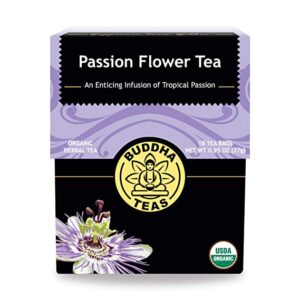
SALE
Buddha Teas Organic Passion Flower Tea
$7.49
BESTSELLER NO. 3
SALE
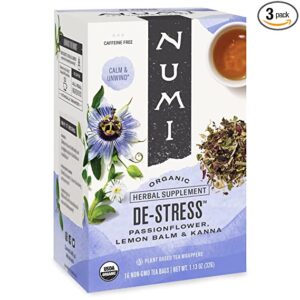
Numi Organic Passionflower Tea
$26.19
BESTSELLER NO. 4
SALE