
6 Best Teas for Digestion – Brew to Reset Your Digestive System
by Abigail Matthew | Last updated on [wpdts-month-name-short] [wpdts-day days=”-5″], [wpdts-year]
Do you ever experience digestive discomfort after meals? You’re not alone. Issues with the digestive system are common problem for many people whos body cant break food as needed, and they can be caused by a variety of factors such as stress, diet, and lifestyle habits. Thankfully, there are natural remedies that can help ease these digestive process.
Digestive health is crucial for overall well-being. Our digestive system is responsible for breaking down the food we eat into nutrients, vitamins, and minerals that our body needs to function correctly. When the digestive system isn’t working correctly, it can cause discomfort, bloating, gas, and other issues that can impact our quality of life.
Fortunately, there are many natural remedies available that can help support digestion. One of the easiest and most enjoyable ways to promote healthy digestion is through drinking tea. Not only is tea a comforting and delicious beverage, but many types of tea also contain compounds that can help improve digestion.
Tea has been used for centuries in traditional medicine to treat a wide range of ailments, including digestive issues. Many of the compounds found in tea, such as polyphenols, flavonoids, and catechins, have been shown to have anti-inflammatory and antioxidant properties that can help improve digestion.
Read: 7 Best Teas for Immune System Support

In this blog post, we will explore six of the best teas for digestion. Each of these teas has unique properties that can help soothe the digestive tract, reduce inflammation, and promote healthy digestion. By incorporating these teas into your daily routine, you may be able to alleviate digestive issues and improve your overall well-being.
So, whether you’re dealing with occasional digestive discomfort or have a chronic digestive condition, such as irritable bowel syndrome (IBS), these teas may be able to help.
Read: Powerful Anti Inflammatory Teas You Should Give A Try Today
The Two Types of Digestion
Digestion is the process by which the food we consume is broken down into smaller molecules that our body can absorb and use for energy, growth, and repair. There are two main types of digestion: mechanical digestion and chemical digestion. In this blog post, we will discuss each of these types of digestion in detail.
Mechanical Digestion
Mechanical digestion is the physical breakdown of food into smaller pieces without changing its chemical composition. This process starts in the mouth where food is chewed by the teeth and mixed with saliva to form a bolus. The mechanical action of chewing and the mixing of food with saliva helps to break down food into smaller pieces that are easier to swallow and digest.
Once the bolus is swallowed, it travels down the esophagus to the stomach where it is further broken down by muscular contractions. The stomach muscles churn and mix the food, breaking it down into smaller pieces and mixing it with digestive juices. This process continues until the food is broken down into a liquid called chyme.
Mechanical digestion continues in the small intestine, where the chyme is mixed with digestive enzymes and bile, which help to further break down the food and aid in absorption. The muscles in the small intestine also contract and relax, moving the chyme along and mixing it with the digestive enzymes and bile.
Chemical Digestion
Chemical digestion involves the use of enzymes to break down complex molecules into simpler ones that can be absorbed by the body. Chemical digestion starts in the mouth with the action of enzymes in saliva. These enzymes, called amylases, break down carbohydrates into simple sugars like glucose and fructose. The process of chemical digestion continues in the stomach and small intestine with the action of enzymes produced by the pancreas, liver, and small intestine itself.
The pancreas produces enzymes that break down carbohydrates, proteins, and fats into their component parts. For example, the enzyme lipase breaks down fats into fatty acids and glycerol, while proteases break down proteins into amino acids. The liver produces bile, which helps to break down fats into smaller droplets, making them easier to digest.
The small intestine is the primary site of chemical digestion and absorption. The walls of the small intestine are lined with tiny finger-like projections called villi, which increase the surface area available for absorption. As the chyme passes through the small intestine, it is mixed with digestive enzymes and bile, and the nutrients are absorbed into the bloodstream through the walls of the villi.
Digestion is a complex process that involves both mechanical and chemical processes. Mechanical digestion involves the physical breakdown of food into smaller pieces, while chemical digestion involves the use of enzymes to break down complex molecules into simpler ones. Both of these types of digestion work together to ensure that the food we consume is broken down into nutrients that our body can absorb and use for energy, growth, and repair. Understanding how these processes work is essential for maintaining good digestive health and overall well-being.
Top 6 Teas That Aids Digestion
| # | Preview | Product | Rating | Price | Buy |
|---|---|---|---|---|---|
| 1 |  | Traditional Medicinals Peppermint Herbal Leaf Tea |  | $29.88 |  |
| 2 |  | Caffeinated Full Leaf Earl Grey Black Tea | | $79.99 | |
| 3 |  | Organic Roasted Dandelion Root Tea | | $27.91 | |
| 4 |  | Heather's Tummy Teas Organic Fennel Tea | | $16.69 | |
6 Best Teas for Digestion
Peppermint Tea
Peppermint tea is one of the most popular teas for digestion, and for good reason. It is known for its ability to soothe and calm the digestive tract, making it a great choice for those who experience digestive discomfort such as bloating, gas, and stomach cramps.
Peppermint contains compounds that have antispasmodic properties, meaning they help to relax the muscles in the digestive tract. This can help to reduce spasms and cramps that can cause discomfort and pain.
In addition, peppermint has been shown to help with indigestion and acid reflux. The menthol in peppermint can help to relieve symptoms of heartburn by reducing the amount of acid in the stomach and improving the function of the esophageal sphincter.
To brew peppermint tea, start by boiling water and allowing it to cool slightly. Place one peppermint tea bag or one tablespoon of dried peppermint leaves into a cup, and pour the hot water over the tea. Allow the tea to steep for 5-10 minutes, and then remove the tea bag or strain the leaves. Peppermint tea can be enjoyed hot or cold, and can be sweetened with honey or lemon if desired.
It is important to note that while peppermint tea is generally safe for most people, it may not be suitable for those with gastroesophageal reflux disease (GERD) or hiatal hernia, as it can worsen their symptoms. If you have any digestive conditions, it is best to consult with a healthcare provider before incorporating peppermint tea into your diet.
Basically, peppermint tea is a great choice for those looking to improve their digestive health. Its soothing properties can help to reduce discomfort and promote overall digestive wellness.
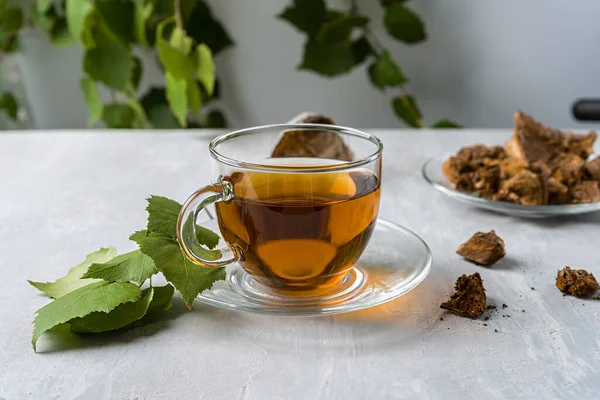
Chamomile Tea
Chamomile tea is a popular herbal tea that has been used for centuries to treat a variety of ailments, including digestive issues. It is made from the dried flowers of the chamomile plant and has a sweet, floral taste. Here are some of the benefits of chamomile tea for digestion:
-
Soothes the digestive system: Chamomile tea has anti-inflammatory properties that can help soothe the digestive system and relieve discomfort associated with conditions such as irritable bowel syndrome (IBS) and inflammatory bowel disease (IBD). It can also help reduce cramping and bloating.
-
Promotes relaxation: Chamomile tea has a calming effect on the body and can help reduce stress and anxiety, which can contribute to digestive issues. When the body is in a state of relaxation, it is better able to digest food and absorb nutrients.
-
Improves sleep quality: Poor sleep quality can also contribute to digestive issues. Chamomile tea can help improve sleep quality, which in turn can help improve digestive health.
To brew chamomile tea, follow these simple steps:
- Boil water in a kettle or on the stove.
- Add 1-2 teaspoons of dried chamomile flowers to a tea infuser or strainer.
- Place the infuser or strainer in a cup.
- Pour the hot water over the chamomile flowers.
- Steep for 3-5 minutes.
- Remove the infuser or strainer and enjoy!
Chamomile tea is generally considered safe for most people, but it can interact with certain medications. As with any herbal remedy, it’s important to talk to your healthcare provider before adding chamomile tea to your diet if you are taking any medications or have any underlying health conditions.
Teas are rich in antioxidants and nutrients that benefit your overall health, while herbal teas are particularly packed with many powerful ingredients that make a cup of tea the remedy you need for a better digestive system.
Fennel Tea
Fennel tea is another excellent tea for digestion, particularly for those who struggle with bloating and gas. Fennel is a member of the carrot family, and its seeds have been used in traditional medicine for centuries to support digestive health. Fennel tea can be made by steeping the seeds in hot water, and it has a licorice-like flavor that is both refreshing and soothing.
Benefits of Fennel Tea for Digestion
-
Relieves Bloating and Gas; One of the most well-known benefits of fennel tea is its ability to relieve bloating and gas. Fennel seeds contain compounds that can relax the muscles in the digestive tract, which can help to reduce cramping and bloating. Additionally, fennel seeds can help to break down gas in the intestines, which can provide relief from discomfort.
-
Improves Digestive Function; Fennel tea can also help to improve overall digestive function. It contains compounds that can stimulate the production of digestive juices, which can help to break down food and promote better absorption of nutrients. Additionally, fennel tea can help to soothe inflammation in the digestive tract, which can help to prevent digestive issues.
-
Reduces Inflammation; Fennel seeds contain antioxidants that can help to reduce inflammation in the body. Inflammation is a common cause of digestive issues, including inflammatory bowel disease and irritable bowel syndrome. Drinking fennel tea regularly can help to reduce inflammation in the digestive tract, which can lead to improved digestive health.
How to Brew Fennel Tea
- Gather ingredients: 1-2 teaspoons of fennel seeds and 8 ounces of hot water.
- Crush the fennel seeds slightly with a mortar and pestle to release their flavor.
- Add the crushed fennel seeds to a tea strainer or infuser.
- Pour 8 ounces of hot water over the fennel seeds and steep for 5-10 minutes.
- Remove the tea strainer or infuser and discard the seeds.
- Serve and enjoy.
Fennel tea is an excellent choice for those looking to improve their digestive health. It has a range of benefits, including relieving bloating and gas, improving digestive function, and reducing inflammation. Fennel tea is also easy to make and has a delicious licorice-like flavor that is both refreshing and soothing. If you are struggling with digestive issues, consider incorporating fennel tea into your daily routine for improved gut health.
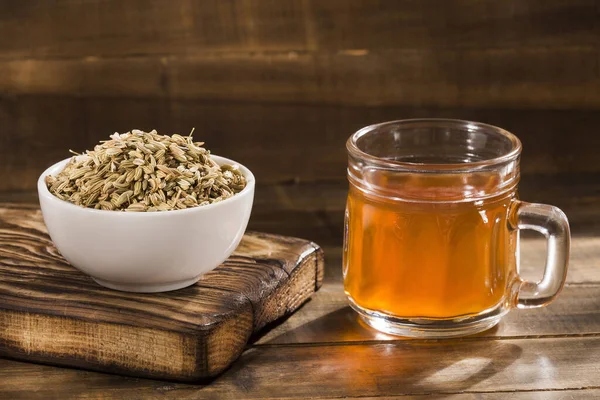
Green Tea
Green tea is a great tea option for aiding digestion due to its unique combination of compounds. The catechins in green tea, particularly epigallocatechin gallate (EGCG), have been found to have anti-inflammatory properties and can help reduce inflammation in the digestive tract. This can be particularly beneficial for people with inflammatory bowel disease (IBD) or other inflammatory digestive issues.
In addition to reducing inflammation, green tea can also help improve digestion by increasing the production of digestive enzymes. Digestive enzymes are important for breaking down food in the stomach and small intestine, allowing for better absorption of nutrients. This can help reduce symptoms of bloating and indigestion.
Green tea has also been found to promote the growth of healthy gut bacteria. The gut microbiome plays an important role in digestion and overall health, and green tea has been shown to increase the abundance of beneficial bacteria such as Lactobacillus and Bifidobacterium. This can help improve gut health and reduce symptoms of digestive issues such as diarrhea and constipation.
When brewing green tea, it is important not to oversteep it. Steeping green tea for too long can release too much caffeine, which can cause jitteriness and upset stomach. To brew green tea, bring water to just below boiling (around 175-185°F) and steep a green tea bag or loose leaves for 1-2 minutes. Green tea can be enjoyed on its own or with a slice of lemon for added flavor and digestive benefits.
While green tea can be a beneficial addition to a digestive health routine, it is important to remember that it is not a cure-all and should not be relied on as the sole treatment for digestive issues. It is always best to consult with a healthcare professional for personalized advice on digestive health.
Black Tea
Black tea is another type of tea that can be beneficial for digestion. Like green tea, black tea contains catechins and other antioxidants that can help reduce inflammation in the digestive tract. However, black tea is also rich in tannins, which are compounds that can help soothe the digestive system and reduce inflammation.
Black tea also contains caffeine, which can help stimulate the digestive system and promote bowel movements. This can be helpful for people who struggle with constipation or other digestive issues that involve slow movement through the digestive tract.
In addition to its digestive benefits, black tea has also been found to have a positive effect on heart health, cognitive function, and overall well-being. However, it is important to note that black tea contains more caffeine than green tea, so it should be consumed in moderation and not relied on as a sole treatment for digestive issues.
When brewing black tea, it is important to bring the water to a full boil (around 212°F) and steep the tea for 3-5 minutes. This will ensure that the tannins are properly released and the tea is flavorful. Black tea can be enjoyed on its own or with a splash of milk for added creaminess and digestive benefits.
As with all types of tea, it is important to remember that black tea should not be relied on as a sole treatment for digestive issues. If you are experiencing ongoing digestive problems, it is important to consult with a healthcare professional to determine the underlying cause and develop a treatment plan.
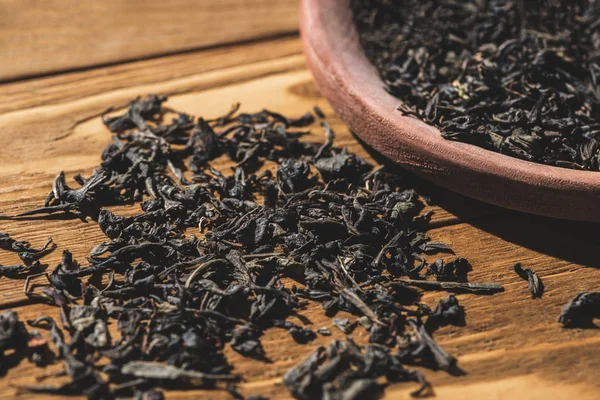
Dandelion Tea
Dandelion tea is made from the roots or leaves of the dandelion plant, which has been traditionally used in herbal medicine to aid digestion and promote liver health. This tea is rich in vitamins, minerals, and antioxidants, and has been found to have a variety of health benefits.
Benefits for Digestion: Dandelion tea has been found to be particularly effective in promoting healthy digestion. The tea contains compounds called sesquiterpene lactones, which stimulate the production of digestive juices and bile, helping to break down food and aid in the absorption of nutrients. This can help to reduce bloating, gas, and constipation, and promote overall digestive health.
Promotes Liver Health: The liver is responsible for filtering toxins and waste products from the body, and dandelion tea has been found to have a positive impact on liver health. The tea contains antioxidants, including beta-carotene and polyphenols, which help to protect the liver from damage caused by toxins and oxidative stress. Additionally, dandelion tea has been found to promote the production of liver enzymes, which can help to improve liver function and support overall health.
Anti-inflammatory Properties: Dandelion tea has been found to have anti-inflammatory properties, which can help to reduce inflammation in the digestive system and promote overall gut health. Chronic inflammation in the gut can lead to a variety of digestive issues, including bloating, gas, and diarrhea, so reducing inflammation is an important aspect of maintaining good digestive health.
How to Brew Dandelion Tea: To brew dandelion tea, you can use either the root or the leaves of the plant. Start by boiling water in a kettle or on the stove. While the water is heating up, prepare the dandelion root or leaves. If using the root, wash and chop it into small pieces. If using the leaves, wash and tear them into smaller pieces.
Place the dandelion root or leaves in a tea strainer or infuser, and pour the hot water over it. Steep the tea for 5-10 minutes, depending on how strong you like it. You can drink it hot or cold, and add honey or lemon if desired.
Dandelion tea is a delicious and healthy way to support your digestive and liver health. Incorporating it into your daily routine can help to reduce digestive issues and promote overall gut health.
https://www.youtube.com/watch?v=mH9VJtdtplU
Review for 6 Best Teas for Digestion
Herbal ingredients used in Traditional Medicinals Organic Ginger Tea include organic ginger root, which is well renowned for its ability to calm the digestive system.
Caffeine: Caffeine-free
Ginger has a flavor that is robust but not overpowering and has a hint of sweetness.
High-quality organic ginger root is used to make this tea, which is devoid of additives and synthetic tastes.
Reviews: Customers who appreciate this tea’s ability to relieve intestinal discomfort have given it good ratings.
Personal Preference: This tea is an excellent choice if you like the flavor of ginger. This might not be the ideal option for you, though, if you don’t like the flavor of ginger.
Ginger, fennel, licorice root, and other herbs with a reputation for supporting digestive health are among the ingredients in the Yogi Tea Digestion & Detox Tea.
Contains no caffeine
Taste: The flavor has a lovely herbal flavor and is somewhat sweet, slightly spicy, and sweet.
High-quality, organic ingredients were used, and no artificial flavors were added.
Reviews: Customers who find this tea useful for relieving stomach discomfort give it high marks.
Personal Preference: This tea can be a suitable choice for you if you like the flavor of licorice root and fennel. The licorice flavor, meanwhile, may be too overpowering for certain folks.
Prepared with organic peppermint leaves, which are renowned for their capacity to calm the digestive system, traditional medicinals organic peppermint tea contains herbal ingredients.
Contains no caffeine
Taste: The flavor is slightly sweet and minty, which is revitalizing.
High-quality organic peppermint leaves are used to make this tea, which is devoid of additives and synthetic tastes.
Reviews: Consumers gush about how well this tea relieves intestinal discomfort.
Individual Preference This tea is a fantastic option if you like the flavor of mint. But, you might not enjoy the flavor of this tea if you don’t like mint.
Organic fennel seeds, which are well-known for supporting digestive health, are used to make Buddha Teas’ organic fennel seed tea.
Contains no caffeine
Taste: The flavor has a licorice-like aroma and is only slightly sweet.
The tea is additive- and artificial-flavor-free and is made from premium organic fennel seeds.
Consumer feedback praises this tea’s success in promoting digestive wellness.
Personal Preference: This tea can be a nice choice if you like the flavor of licorice root.
Pros
-
Effective for soothing digestive issues, organic ingredients, caffeine-free. -
Effective for soothing digestive issues, organic ingredients, caffeine-free, refreshing taste.
Cons
-
Strong ginger taste may not be appealing to everyone. -
Some people may not like the taste of licorice root. -
Some people may not enjoy the taste of mint.
| # | Preview | Product | Rating | Price | Buy |
|---|---|---|---|---|---|
| 1 | | Traditional Medicinals Peppermint Herbal Leaf Tea | | $29.88 | |
| 2 | | Caffeinated Full Leaf Earl Grey Black Tea | | $79.99 | |
| 3 | | Organic Roasted Dandelion Root Tea | | $27.91 | |
| 4 | | Heather's Tummy Teas Organic Fennel Tea | | $16.69 | |
EDITORS PICK OF THE BEST TEA FOR DIGESTION
BEST TEA FOR DIGESTION
BESTSELLER NO. 1

SALE
Taylors of Harrogate Organic Chamomile Herbal Tea
$29.88
BESTSELLER NO. 2

SALE
BESTSELLER NO. 3

SALE
BESTSELLER NO. 4
SALE