
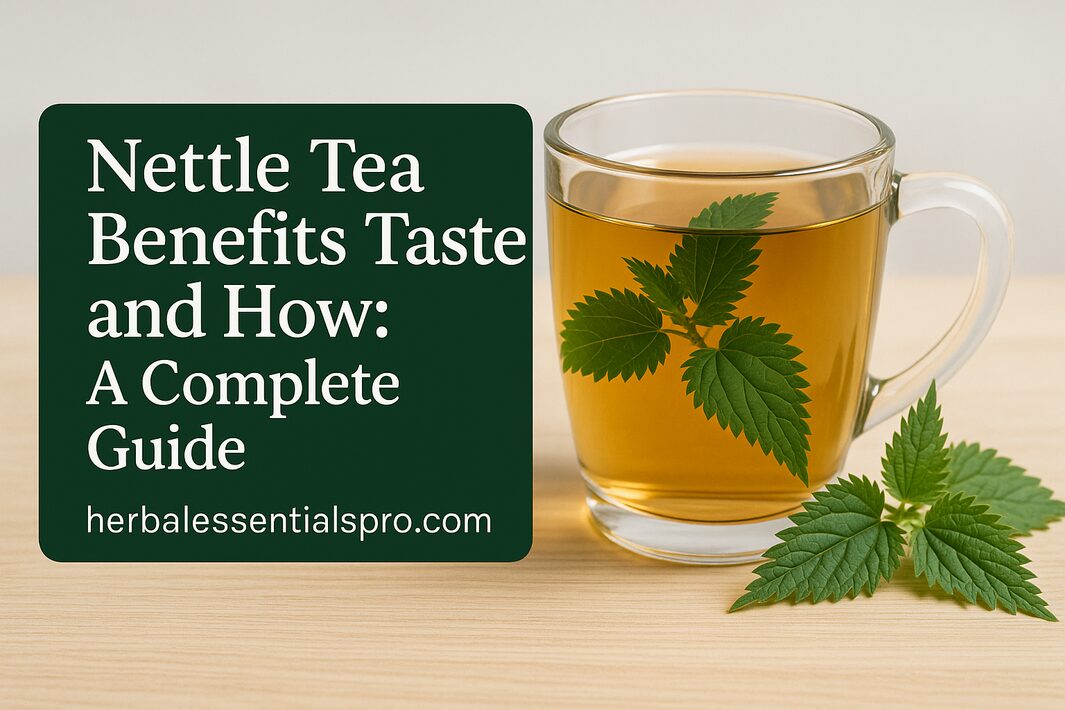
Introduction to Nettle Tea
Nettle tea is a well-known herbal infusion crafted from the leaves of the stinging nettle plant (Urtica dioica), prized for its rich nutritional content and traditional medicinal uses. For centuries, nettle has been valued across cultures for its potential to promote health and well-being. Today, nettle tea is enjoying renewed popularity among those seeking natural remedies and flavorful herbal drinks.
Unlike many teas made from the Camellia sinensis plant, nettle tea is naturally caffeine-free, making it a great option for anyone avoiding stimulants. It’s easy to prepare, and its benefits extend well beyond simple hydration, providing a variety of nutrients and bioactive compounds.
Health Benefits of Nettle Tea
Nettle tea is known for several health advantages, backed by both traditional use and growing scientific research. Here are some of the main benefits of adding nettle tea to your daily routine:
- Anti-inflammatory Properties: Nettle contains flavonoids and phenolic acids that may help reduce inflammation in the body, potentially aiding conditions like arthritis and other inflammatory issues.
- Rich in Vitamins and Minerals: Nettle leaves provide natural sources of vitamins A, C, K, and several B vitamins, along with minerals such as iron, calcium, magnesium, and potassium. Drinking nettle tea can contribute to your daily nutrient needs.
- Supports Urinary Health: Traditionally, nettle tea has been used to support kidney function and promote urinary tract health. Some studies indicate it might help ease symptoms of benign prostatic hyperplasia (BPH) in men.
- May Relieve Allergy Symptoms: Nettle has natural antihistamine effects that could help reduce mild allergy symptoms like sneezing and itching, especially during hay fever season.
- Antioxidant Effects: The antioxidants in nettle tea help combat oxidative stress, which is linked to aging and chronic diseases.
Note: While nettle tea offers many benefits, it’s best to consult your healthcare provider before use, especially if you are pregnant, nursing, or taking medications.
Taste Profile of Nettle Tea
Nettle tea has a distinctive yet pleasant flavor, often described as herbaceous and earthy with a mild natural sweetness. Its taste is smooth and not overpowering, making it a good choice for those new to herbal teas.
Common taste notes include:
- Earthy and Green: Reflecting its leafy nature, nettle tea offers fresh, green flavors similar to spinach or mild green vegetables.
- Mild Sweetness: A subtle natural sweetness balances the earthiness, making it enjoyable without needing added sugar.
- Lightly Astringent: Depending on how long you steep it, nettle tea can have a slight astringency, somewhat like green tea.
Compared to other herbal teas such as chamomile or peppermint, nettle tea is less floral and more vegetal, appealing to those who prefer savory herbal flavors.
How to Brew Nettle Tea
Proper brewing is key to enjoying the full flavor and benefits of nettle tea. Follow these steps for the best results:
- Select Quality Nettle Leaves: Choose dried nettle leaves from a trusted source to ensure safety and potency. Fresh nettle leaves can also be used but require careful handling to avoid stinging.
- Boil Fresh Water: Heat filtered water to a rolling boil (around 212°F or 100°C).
- Measure the Tea: Use about 1 to 2 teaspoons of dried nettle leaves per cup (8 ounces) of water.
- Steep: Pour the boiling water over the nettle leaves and cover the cup or teapot to keep the volatile oils intact. Let it steep for 5 to 10 minutes, depending on your taste preference. Longer steeping will intensify the flavor but may add bitterness.
- Strain and Serve: Remove the leaves by straining the tea into a cup. Enjoy it plain or with optional additions.
If using fresh nettle leaves, blanching them briefly before steeping can help reduce the sting and bitterness.
For more detailed instructions, you might find our guide on how to store dried herbs so they stay fresh longer useful to maintain your dried nettle leaves’ quality.
Tips for Enhancing Nettle Tea Benefits and Taste
To get the most from your nettle tea, consider these helpful tips:
- Add Complementary Herbs: Mix nettle with herbs like peppermint, lemon balm, or chamomile for flavorful blends.
- Sweeten Naturally: Enhance the taste with honey, stevia, or a slice of lemon without overpowering nettle’s natural flavor.
- Drink at Optimal Times: Enjoy nettle tea in the morning or early afternoon for a gentle energy lift and hydration support.
- Store Properly: Keep dried nettle leaves in an airtight container, away from light and moisture, to maintain freshness.
- Use Quality Water: Filtered or spring water improves the tea’s flavor and helps extract beneficial compounds.
Common Mistakes to Avoid
To ensure safety and enjoyment when preparing or consuming nettle tea, steer clear of these common mistakes:
- Oversteeping: Brewing nettle tea too long can cause bitterness and astringency. Stick to the recommended steeping times.
- Using Contaminated Leaves: Avoid nettle harvested near polluted areas or roadsides where chemicals or heavy metals could be present.
- Ignoring Allergies or Interactions: Some people may be allergic to nettle or experience interactions with medications like blood thinners. Always check with a healthcare professional if unsure.
- Consuming Raw Fresh Nettle: Fresh nettle leaves have stinging hairs that can irritate skin and mouth. Proper preparation is necessary.
- Excessive Consumption: Drinking very large amounts of nettle tea might cause unwanted side effects such as stomach upset.
Frequently Asked Questions (FAQs)
Is nettle tea safe for everyone?
Generally, nettle tea is safe for most people, but it may not be suitable for pregnant or breastfeeding women, individuals with certain health conditions, or those on specific medications. It’s best to consult your healthcare provider before adding it to your routine.
Can nettle tea be consumed daily?
Drinking nettle tea moderately on a daily basis is usually safe and can be part of a healthy lifestyle. Limiting intake to 1-3 cups per day and observing how your body responds is recommended.
Where can I buy quality nettle tea?
Quality nettle tea can be found at health food stores, herbal shops, and reputable online retailers. Look for organic, pesticide-free options with clear labeling to ensure safety and quality.
Does nettle tea have caffeine?
No, nettle tea is naturally caffeine-free, making it an excellent alternative to traditional teas and coffee.
Can I use fresh nettle leaves to make tea?
Yes, fresh nettle leaves can be used, but they must be handled carefully because of their stinging hairs. Blanching or drying the leaves before brewing removes the sting.
Comparison Table: Nettle Tea vs. Other Popular Herbal Teas
| Feature | Nettle Tea | Chamomile Tea | Peppermint Tea | Green Tea |
|---|---|---|---|---|
| Caffeine Content | None | None | None | Contains caffeine |
| Flavor Profile | Earthy, herbaceous, mildly sweet | Floral, mild, slightly sweet | Minty, refreshing, cool | Grassy, slightly bitter |
| Key Benefits | Anti-inflammatory, mineral-rich, allergy relief | Calming, sleep aid, digestive support | Digestive aid, relieves headaches | Antioxidant-rich, metabolism boost |
| Common Uses | Daily wellness, urinary health support | Relaxation, insomnia relief | Digestive discomfort, fresh breath | Energy, mental alertness |
Conclusion
Nettle tea combines health benefits, a pleasant herbaceous flavor, and straightforward preparation, making it a valuable addition to any herbal tea collection. Understanding its benefits, taste, and proper brewing techniques will help you enjoy nettle tea safely and effectively.
Be mindful to avoid common mistakes like oversteeping and using low-quality leaves. Enhancing your tea with complementary herbs or natural sweeteners can also improve your experience. Whether you want anti-inflammatory support, a boost of vitamins and minerals, or a refreshing caffeine-free drink, nettle tea is a versatile choice.
Try brewing nettle tea at home and discover its benefits as part of your wellness routine. For more herbal tea inspiration, check out our post on 7 best weight loss teas to support your health goals.
Disclaimer: This article is for informational purposes only and does not replace professional medical advice. Consult your healthcare provider before starting any new herbal regimen.
