
9 Side Effects of Drinking Too Much Tea: Tea and Health
by Abigail Matthew | Last updated on [wpdts-month-name-short] [wpdts-day days=”-5″], [wpdts-year]
Millions of people all around the world savor the popular beverage tea. There are innumerable types of tea, from black tea to green tea to herbal, to accommodate every taste and desire. While there is a high rate in the usage for the health benefits of tea, such as strengthening the immune system and encouraging relaxation, it’s crucial to remember that if you drink too much of it, tea may also be negative effects from drinking tea.
We all know that nothing beats a steaming cup of well-brewed tea in the morning. Drinking your chamomile or ginger tea provides your body and soul with the oil they need to get into gear for the day’s task.
And, when it seems you’re running out of steam due to work demands, a simple cup of black tea or rose hips tea can quickly help you to get back into shape and regain the clarity you need to complete your task excellently.
Even at night, teas like peppermint and hibiscus can make for a good nightcap as you try to get your body and mind rejuvenated for the next day.
Whether in time of comfort or agony, one thing that’s constant to a tea lover in this world is the love of tea, because you can always find one variety that’s just perfect for any mood.
This is how important tea is in our lives. For most people, tea is more than just a beverage, it has spiritual, emotional, and even medicinal values that no other drink can offer, which means its benefits are almost endless.
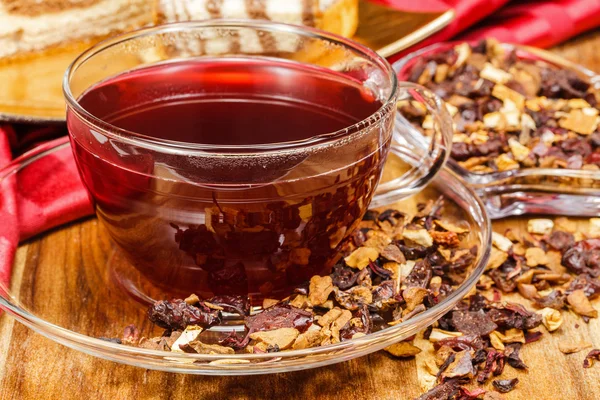
In many cultures across the world, tea has been used for centuries as a natural remedy for a number of health-related issues such as cancer prevention, anxiety disorder, and immune system booster to mention a few.
Tea has the power to invoke a passion and stimulate our body and mind to perform any action we demand of it, but have you ever pondered on how you might be doing some damage to your body by way of overconsumption of tea?
Side effects of tea are a real concern as research has shown that some varieties of tea might not even be safe at all for some persons with certain health conditions, talk less of drinking too much of it.
Like they say, too much of anything can be bad for health and that also applies to tea here. With this in mind, let’s quickly look at eight side effects of tea that you may have been ignoring all along.
| # | Preview | Product | Rating | Price | Buy |
|---|---|---|---|---|---|
| 1 |  | Traditional Medicinals Peppermint Herbal Leaf Tea |  | $29.88 |  |
| 2 |  | Caffeinated Full Leaf Earl Grey Black Tea | | $79.99 | |
| 3 |  | Organic Roasted Dandelion Root Tea | | $27.91 | |
| 4 |  | Heather's Tummy Teas Organic Fennel Tea | | $16.69 | |
Dangerous Side Effects of Tea
1 Caffeine dependency
Caffeine is a natural stimulant found in tea that can provide a temporary energy boost and increase mental alertness. While moderate caffeine consumption is generally considered safe for most adults, excessive caffeine intake can lead to several negative side effects. The amount of caffeine in tea can vary depending on the type and brewing method, but on average, a cup of tea contains about half the amount of caffeine as a cup of coffee.
When consumed in excessive amounts, caffeine can cause a range of side effects such as jitteriness, anxiety, restlessness, and insomnia. Additionally, caffeine can increase heart rate and blood pressure, which can be especially concerning for those with preexisting heart conditions.
It’s important to note that everyone’s tolerance for caffeine varies, so what may be considered excessive for one person may be different for another. As a general guideline, it’s recommended that adults consume no more than 400mg of caffeine per day. However, pregnant women, individuals with anxiety disorders, and those with certain medical conditions may need to consume even less.
If you’re concerned about consuming too much caffeine, there are several steps you can take. First, try to stick to moderate tea consumption and consider opting for decaf or lower caffeine teas such as white or green tea. You can also try drinking tea earlier in the day to avoid any disruptions to sleep patterns. Finally, if you’re experiencing negative side effects from caffeine consumption, it may be a good idea to speak with a healthcare provider to determine if reducing caffeine intake is necessary.

2. Dehydration
Tea is often consumed as a comforting and refreshing beverage, especially during cold weather. However, it’s important to note that tea is a natural diuretic, which means that it can cause increased urine production and, subsequently, dehydration.
Dehydration occurs when the body loses more fluids than it takes in. Symptoms of dehydration can range from mild to severe and can include dry mouth, thirst, dizziness, headache, and fatigue. Chronic dehydration can also lead to more serious health problems such as kidney stones, urinary tract infections, and even kidney failure.
It’s essential to maintain adequate hydration for the proper functioning of our body’s systems. Therefore, it’s important to be mindful of the amount of tea you consume and take steps to maintain hydration levels while still enjoying your tea. One way to do this is by drinking plenty of water in addition to tea. Alternatively, you can opt for decaf tea, which has a lower caffeine content and is less likely to cause dehydration.
Another way to ensure adequate hydration is to choose herbal teas that do not have a natural diuretic effect. For example, herbal teas such as chamomile, ginger, and peppermint do not have caffeine and are not diuretic in nature. Instead, they can help promote hydration, calm the body, and aid digestion.
In summary, while tea can provide numerous health benefits, it’s important to be aware of its potential diuretic effect and the risk of dehydration. By being mindful of the amount of tea you consume and taking steps to maintain hydration levels, you can continue to enjoy tea as part of a healthy and balanced lifestyle.

Whether in time of comfort or agony, one thing that’s constant to a tea lover in this world is the love of tea, with little or no attention to the possible negative side effects that may arise.
3. Acid Reflux
Tea, especially those with high caffeine content, can cause acid reflux, which is characterized by heartburn, chest pain, and regurgitation of stomach acid into the esophagus. This is because tea, like coffee, can stimulate the production of stomach acid, which can exacerbate the symptoms of acid reflux.
There are several types of tea that are more likely to cause acid reflux, including black tea, green tea, and mint tea. This is because these teas contain high levels of caffeine and other compounds that can irritate the stomach lining and increase the production of stomach acid.
If you are prone to acid reflux, there are several things you can do to reduce the risk of experiencing symptoms after consuming tea. First, try switching to a low-caffeine tea, such as white tea or herbal tea. These teas have lower levels of caffeine and other compounds that can irritate the stomach.
You can also try drinking tea with a meal, as food can help to neutralize stomach acid and reduce the risk of reflux. Additionally, avoid drinking tea before bedtime, as lying down can make it easier for stomach acid to flow back up into the esophagus.
If you experience acid reflux frequently, it’s important to talk to your healthcare provider about possible treatment options. This may include medications to reduce the production of stomach acid or lifestyle changes, such as avoiding trigger foods and losing weight if necessary.
In summary, while tea can have many health benefits, it’s important to be aware of the potential side effect of acid reflux. By choosing low-caffeine teas and taking steps to reduce the risk of reflux, you can still enjoy a cup of tea without compromising your digestive health.
4. Stained Teeth
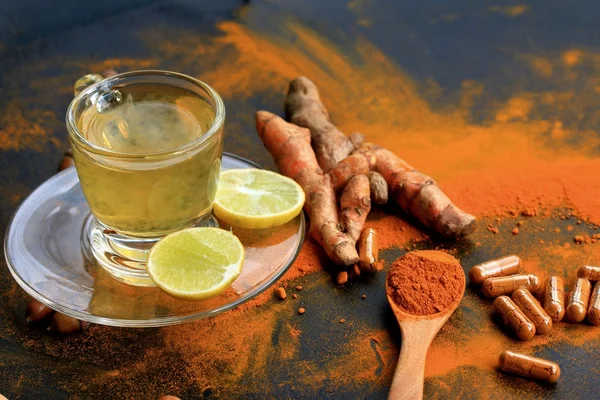
Tea is well-known for its staining properties. The pigments in tea can cause discoloration of the teeth, which can be unattractive and difficult to remove. The staining is a result of tannins in tea, which are plant-based compounds that can bind to proteins and other compounds in the mouth.
While black tea is most notorious for staining teeth, other types of tea, such as green tea and herbal tea, can also cause staining. The good news is that not all teas are created equal when it comes to staining. White tea, for example, is less likely to cause staining due to its lower tannin content.
To minimize the risk of stained teeth, there are several things you can do:
-
Brush your teeth regularly. This may seem obvious, but regular brushing and flossing can help remove surface stains.
-
Drink through a straw. Using a straw can help prevent tea from coming into contact with the front of your teeth.
-
Rinse your mouth with water after drinking tea. Swishing water around your mouth can help remove any tea residue and prevent staining.
-
Use whitening toothpaste. Whitening toothpaste can help remove surface stains and restore the natural color of your teeth.
-
Consider professional teeth whitening. If your teeth are already stained, professional teeth whitening can help remove deeper stains and restore your smile.
While tea can cause staining of the teeth, there are steps you can take to minimize the risk. By practicing good dental hygiene and being mindful of the types of tea you consume, you can continue to enjoy the many health benefits of tea without worrying about the potential side effect of stained teeth.

5 Interference with Medications
While tea is generally considered safe and healthy to consume, it can interact with certain medications, potentially reducing their effectiveness or causing harmful side effects. Here are some examples:
- Blood thinners: Compounds in green tea, including catechins and caffeine, may interact with blood thinning medications such as warfarin, increasing the risk of bleeding.
- Stimulants: Tea contains caffeine and other stimulants that can interact with medications used to treat ADHD, such as Ritalin and Adderall, potentially increasing side effects such as nervousness, agitation, and insomnia.
- Antibiotics: Some compounds in tea, such as tannins, can bind to antibiotics in the digestive tract and reduce their absorption and effectiveness.
- Iron supplements: Tea contains compounds that can interfere with the absorption of iron from food and supplements, which can be a concern for people with iron-deficiency anemia.
If you’re taking any medications, it’s important to talk to your healthcare provider about whether tea consumption is safe and how it may interact with your medications. In some cases, they may recommend avoiding tea or drinking it at a different time of day to reduce the risk of interference. If you do consume tea while taking medications, be sure to monitor your symptoms and report any concerns to your healthcare provider.

6 Causes Headaches
While tea is often touted for its calming effects, it can also have the opposite effect and cause headaches in some people. This is because tea contains caffeine, which is a natural stimulant that can cause blood vessels in the brain to constrict. Additionally, some people may be sensitive to the tannins in tea, which can also trigger headaches.
There are several types of headaches that can be caused by tea, including tension headaches, cluster headaches, and migraines. Tension headaches are the most common type and are often described as a mild to moderate pressure or tightness around the head or neck. Cluster headaches are less common but can be more severe and typically occur on one side of the head. Migraines are the most debilitating type of headache and are often accompanied by nausea, sensitivity to light and sound, and visual disturbances.
C. Description of methods for preventing and treating headaches caused by tea:
If you’re prone to headaches, there are several steps you can take to prevent them when drinking tea. First, try switching to a lower-caffeine tea, such as white or green tea, or opting for decaffeinated tea. You can also try drinking smaller amounts of tea or diluting your tea with water. Additionally, staying hydrated and eating a balanced diet can help prevent headaches. If you do experience a headache, over-the-counter pain relievers such as ibuprofen or acetaminophen can help alleviate the pain. However, if you experience frequent or severe headaches, it’s important to talk to your healthcare provider to rule out any underlying medical conditions.

7 Insomnia
Insomnia is a sleep disorder that affects millions of people around the world. While tea is often promoted as a natural sleep aid, it can actually interfere with sleep and cause insomnia in some individuals.
The caffeine in tea is the main culprit when it comes to insomnia. Even decaffeinated teas can contain small amounts of caffeine, so it’s important to pay attention to the type and amount of tea you consume. In addition, other compounds found in tea, such as theophylline and tannins, can also stimulate the brain and interfere with sleep.
So how can you prevent insomnia while still enjoying your tea? Here are a few tips:
-
Limit your tea intake: Try to avoid drinking tea in the late afternoon or evening, when it can interfere with your sleep. Stick to one or two cups of tea in the morning or early afternoon, and switch to non-caffeinated drinks like herbal tea or water in the evening.
-
Choose your tea wisely: Some types of tea, such as chamomile or valerian root tea, are known for their calming and sleep-inducing effects. Consider trying these types of tea instead of black or green tea, which are higher in caffeine.
-
Practice good sleep hygiene: Even if you don’t consume tea in the evening, poor sleep hygiene can still lead to insomnia. Make sure you have a comfortable sleep environment, stick to a consistent sleep schedule, and avoid electronic devices before bed.
By following these tips, you can still enjoy the many health benefits of tea without sacrificing a good night’s sleep. If you are still struggling with insomnia, it’s important to talk to your healthcare provider to identify any underlying causes and develop a treatment plan.
https://www.youtube.com/watch?v=ITNzDwAzd9U
Review of 7 Side Effects of Tea
Flavor:
7 Adverse Effects of Tea has a flavor that is both pleasant and energizing. It doesn’t taste too strong and has a mellow flavor with a tinge of sweetness. The tea is flavorful and balanced, and you may drink it hot or cold.
Caffeine:
For those who are caffeine sensitive or prefer to stay away from it entirely, 7 Side Effects of Tea is an excellent option because it is devoid of caffeine.
Health Advantages:
Natural herbs and other elements that have historically been utilized to support health and wellness were employed in the formulation of this tea. Rosehips, ginger, chamomile, and peppermint are a few of the constituents. The tea is thought to increase general well-being, improve digestion, lower stress levels, and boost immunity.
Negative effects
Although there are no documented negative effects of 7 Side Effects of Tea, it is best to speak with your doctor before incorporating it into your daily routine as with any new product.
Quality:
The tea is of good quality. To achieve the best flavor and effectiveness, the components are carefully chosen and mixed. The tea is a healthier option because it is organic and non-GMO.
Reputation of a brand:
The company behind 7 Side Effects of Tea is well-known for its dedication to sustainability and high quality. The company enjoys a sizable following of devoted clients who attest to the efficacy of its products.
Price:
Given the high caliber of the components and the health advantages it offers, 7 Side Effects of Tea’s pricing is fair. It is a little more expensive than some other tea brands, but the quality and effectiveness make up for the difference.
Pros
-
Pleasant and refreshing flavor -
Caffeine-free -
Formulated with natural herbs and ingredients -
Helps promote health and wellness -
High-quality and organic ingredients -
Produced by a reputable brand -
Reasonable price
Cons
-
A little more expensive than some other tea brands -
May not be suitable for those who prefer a stronger flavor
Conclusion
Tea is a popular beverage enjoyed by millions of people around the world. While it has numerous health benefits, it’s also important to be aware of potential side effects that may come with excessive or improper consumption. From caffeine jitters to iron deficiency, the side effects of tea can be uncomfortable and even dangerous in some cases.
However, this does not mean that you should avoid tea altogether. By drinking tea in moderation and being mindful of how it affects your body, you can still enjoy its many benefits without experiencing negative side effects. Remember to pay attention to your body’s signals and adjust your tea consumption accordingly.
In essence, tea can be a wonderful addition to a healthy and balanced diet. As with anything, moderation and balance are key. So, brew yourself a cup of tea, savor its delicious taste, and enjoy its many benefits while being mindful of its potential side effects.
| # | Preview | Product | Rating | Price | Buy |
|---|---|---|---|---|---|
| 1 | | Traditional Medicinals Peppermint Herbal Leaf Tea | | $29.88 | |
| 2 | | Caffeinated Full Leaf Earl Grey Black Tea | | $79.99 | |
| 3 | | Organic Roasted Dandelion Root Tea | | $27.91 | |
| 4 | | Heather's Tummy Teas Organic Fennel Tea | | $16.69 | |
EDITORS PICK OF THE BEST HERBAL TEA
BEST SELLING HERBAL TEA
BESTSELLER NO. 1

SALE
Traditional Medicinals Peppermint Herbal Leaf Tea
$29.88
BESTSELLER NO. 2

SALE
Caffeinated Full Leaf Earl Grey Black Tea
$79.99
BESTSELLER NO. 3

SALE
Organic Roasted Dandelion Root Tea
$27.91
BESTSELLER NO. 4
SALE