
Lemon Balm Tea: Best Ways to Enjoy This Beverage + 8 Benefits
by Abigail Matthew | Last updated on [wpdts-month-name-short] [wpdts-day days=”-5″], [wpdts-year]
Here is How to Get the Best Out of Your Lemon Balm Tea
You may just have been brewing your lemon balm tea the wrong way all this while.
Don’t be too surprised to hear this; there are better ways to enjoy your lemon balm tea than you’re currently doing. Please note that this post isn’t set out to condemn your method, but to give you ideas on how you can easily bliss out while drinking your lemon balm tea.
And, if you’re just getting in on the act, this article contains enough tips to help everyone maximize their lemon balm tea experience.
I also had that curious look on my face when I first learned about these tips. But, you can best believe that they’re just so refreshing and will help you unlock another level of satisfaction when sipping your lemon balm tea.
As you scroll through this post, you’ll unearth information that will completely transform your experience while making you fall in love with lemon balm tea over and again, so kindly read along.
Lemon balm tea is well known as one of the herbal teas that leaves in your mouth a super tangy flavor. Commonly referred to as Melissa tea, this sublime tisane can be enjoyed all by itself, but also pairs delicately well with a variety of herbs and sweeteners, that’s if you’re adventurous enough to play up the flavor to discover new and unique tastes.

Apart from its delightful flavor, lemon balm tea also comes with some potential health benefits that have been backed with some anecdotal evidence, which leaves little room for surprise on why many people have incorporated it into their healthy living routine.
Lemon balm tea is made from the plant known by the botanical name Melissa officinalis, otherwise called balm and balm mint. Traditional accounts have shown that lemon balm was used as a remedy for several health challenges including cognitive decline, anxiety, and mood disorder.
Consequently, many people consume lemon balm in tea form to manage certain health conditions.
![Lemon Balm Tea [pxhere]](https://herbalessentialspro.com/wp-content/uploads/2022/07/5age.jpg "Lemon Balm Tea: Best Ways to Enjoy This Beverage + 8 Benefits 2")
What is Lemon Balm Tea?
As already hinted above, lemon balm tea is a type of herbal tea derived from the lemon balm plant. Lemon balm has a lovely lemon flavor that doesn’t only brighten your taste bud, but also gently calms your nerves and enhances your mood, among other health benefits.
Native to parts of Europe, Central Asia, and Iran, lemon balm is a lemon-scented herb from the mint family. It has a long history of medicinal and culinary use that dates as far back as the Middle Ages.
Today, lemon balm is grown all over the world. While it’s common to find it in herb gardens where it’s often used to attract bees, lemon balm can also be grown in crops for medicine, cosmetics, and furniture polish manufacturing.
Long before the Middle Ages, lemon balm was infused in wine to lift the spirits, help heal wounds, and treat venomous insect bites and stings. However, in recent times, lemon balm is often combined with other calming herbs, such as, valerian, chamomile and hops, to promote relaxation and reduce anxiety.
This plant has been used as a natural herbal remedy for centuries and it was highly effective, so much so that an 11th-century Arab physician, Avicenna, wrote a moving tribute that says lemon balm “causeth the mind and heart to become merry.”
With such a high potency profile, it’s only natural that lemon balm is now frequently brewed for consumption in tea form.
| # | Preview | Product | Rating | Price | Buy |
|---|---|---|---|---|---|
| 1 | 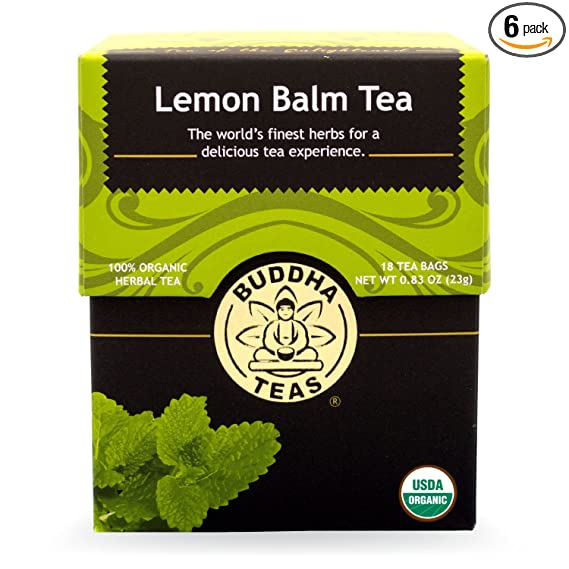 | Buddha Teas Organic Lemon Balm Tea |  | $41.94 |  |
| 2 | 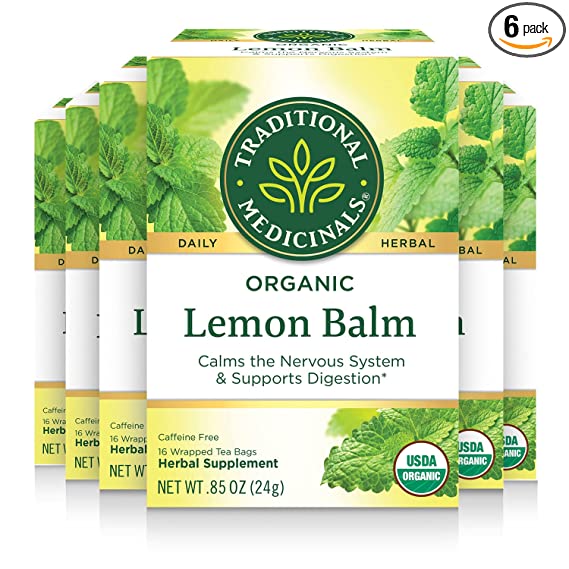 | Traditional Medicinals - Organic Lemon Balm Herbal Tea | | $30.34 | |
| 3 | 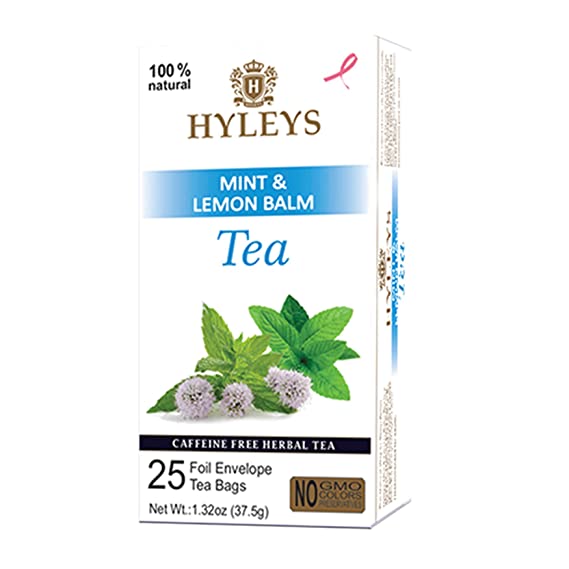 | Hyleys Sleep Lemon Balm Herbal Tea | | $6.50 | |
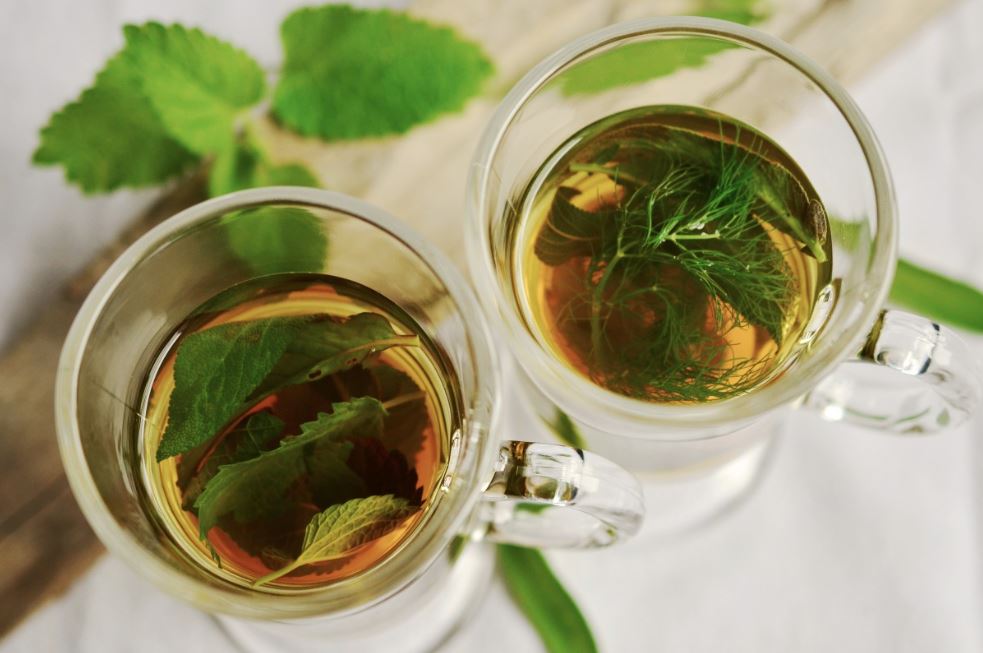
Lemon balm tea has potential health benefits that have been backed by anecdotal evidence, which leaves little room for surprise on why many people have chosen to incorporate it into their healthy living routine.
Are there Health Benefits to Lemon Balm Tea?
Although there’s limited research to support claims of any specific help drinking lemon balm tea stands to offer an individual, anecdotal evidence from users of lemon balm tea have suggested possible health benefits.
Consequently, people have chosen to consume lemon balm tea for a variety of purposes, ranging from digestive health to cancer and infections.
Also, a 2020 study, which investigated the benefits of lemon balm tea made from lemon balm extract, returned some positive signals in the area of blood vessels and skin damage repairment.
The researchers came to the conclusion that the hot water extract of the lemon balm leaf may provide health benefits to blood vessels and skin tissue damage in healthy adults, caused by glycation.
Glycation-associated damage is believed to be an early indication of various diseases and aging phenomena.
While the lemon balm plant may have some therapeutic benefits, the efficacy changes when it’s consumed in tea form made with dried lemon balm.
Lemon balm has over the years proved to be a highly effective herb for fighting certain health challenges, on the other hand, additional studies are still needed to further establish the health benefits of lemon balm tea.
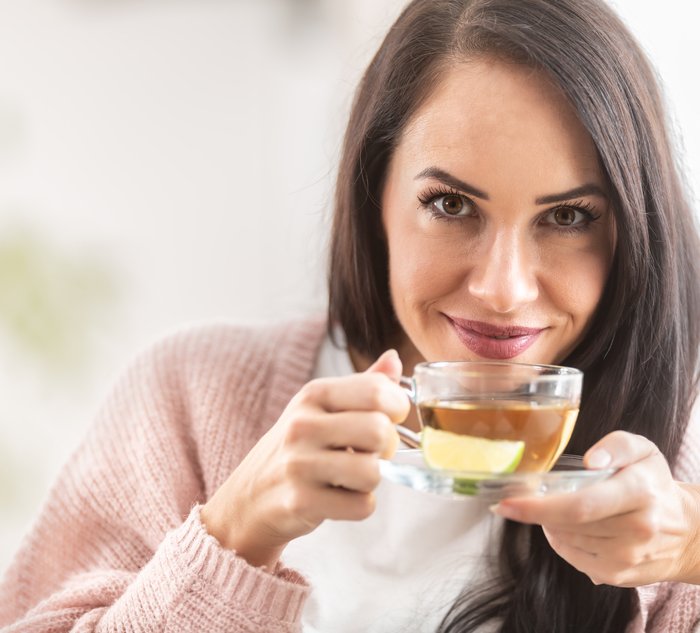
Best Ways to Enjoy Lemon Balm Tea
There’s no one-size-fits-all approach to enjoying lemon balm tea, especially if you’re hoping to reap all the potential health benefits it has to offer.
You could make a tea with just lemon balm, and you’d still get that delicious and uplifting flavor. On the other hand, you can decide to pair it up with a handful of other herbs to combine their healing qualities and flavors to greater effect, which is highly recommended in order to maximize your lemon balm tea.
Lemon balm tea is such a flexible beverage that easily accommodates flavors from other herbs without necessarily losing much of its original taste, which then opens you up to new flavor and bigger rewards in terms of health benefits.
Before digging further into which herbs pair nicely with lemon balm tea for greater satisfaction, it’s important to state that preparing your tea with inorganic lemon balm leaves will deprive you of the natural taste and also put you at risk of negative side effects from chemicals and fertilizers.
To this end, it’s advised that you make your lemon balm tea using homegrown fresh or dried leaves from lemon balm plants in your own backyard garden. The only alternative to this is buying from a trusted tea shop or supplier.
If you choose to grow lemon balm in your backyard garden, start by harvesting fresh leaves from the plant. The plants retain the highest amount of antioxidants and essential oils just before it begins to blossom, and that’s the best period for you to harvest the leaves.
Rinse the fresh lemon balm leaves in cold water and lay them out to dry on a baking sheet. Store the now dried leaves in an airtight container or a paper bag and keep in a dark place. Dried lemon balm leaves can be stored for several months and the top-notch flavor will still remain intact.
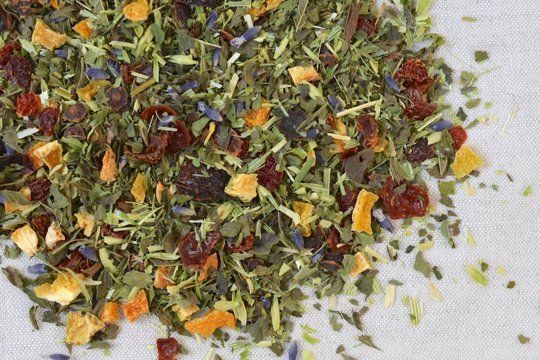
Lemon Balm with Rose Hips, Orange Peel, Lavender & Oatstraw
Back to how best you can enjoy this lemony and minty tea. Like I said earlier, you can infuse some herbs in your lemon balm to add some fire to the experience.
Rose hips: Brewing your lemon balm tea with rose hips will give you a mildly tart, fruity flavor. Rosehips are also rich in Vitamin C, which can be very useful during the winter months.
Orange peel: Orange peel serves as a complement to the citrusy flavor of the lemon balm and rose hips.
Lavender: Lavender is good for the unique aroma it brings, which can also calm restlessness and depression.
Oatstraw: This mellow grassy flavor herb, also known as Avena Sativa, comprises the stalks and leaves of the oat plant. Oatstraw works to nourish the nervous system and ease anxiety. It’s also a source of many minerals including Vitamins B and Calcium.
Note: Don’t include the oatstraw if you’re allergic to oats or concerned about possible gluten cross-contamination during processing.
How to Prepare
Ingredients
Lemon balm – 2 tablespoons
Seedless rose hips – 1 tablespoon
Dried oatstraw – 1 tablespoon
Dried orange peel – 1 ½ teaspoons
Dried lavender – ½ teaspoon
Instruction
Combine all ingredients and keep in an airtight container.
Make a cup of tea by pouring 1 cup of boiling water over 1 rounded tablespoon of the tea blend. Cover and allow to steep for 20 minutes. Strain and add honey as sweetener, if desired.
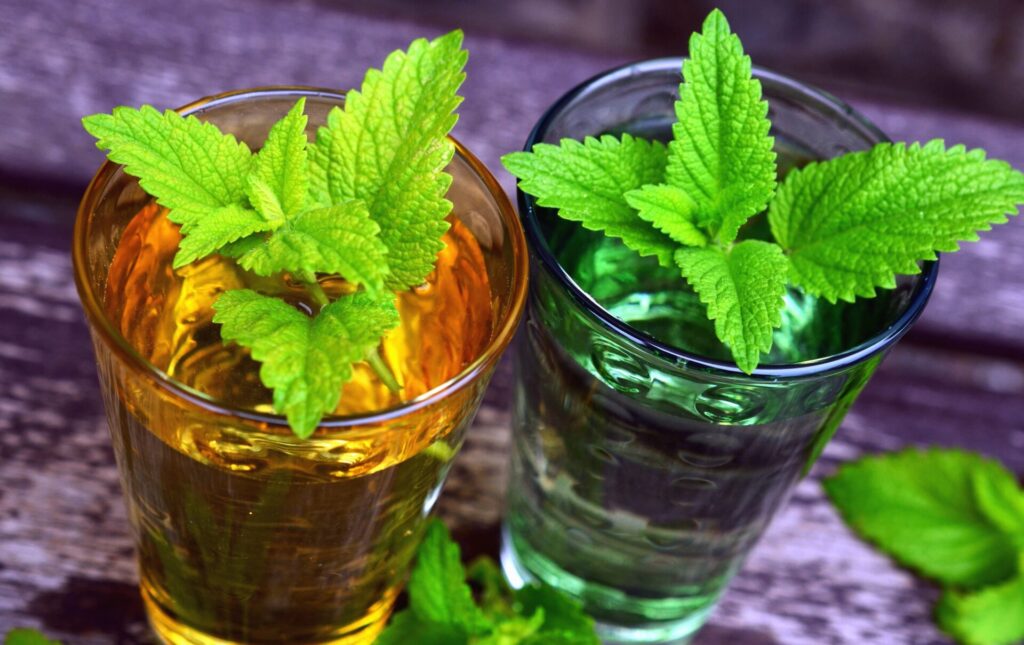
Have You Tried Lemon Balm Tea with Apple and Cayenne?
You can also switch up your lemon balm tea game with this lovely recipe that features a dash of cayenne pepper.
Ingredients:
Dried lemon balm leaves – 1 teaspoon
Cayenne pepper – ¼ teaspoon
Apple juice or freshly muddled apple – ¼ teaspoon
Apple spice tea – 1 teaspoon
Instruction: Boil water in a large pot or in a tea kettle.
Pour in tea leaves and cayenne pepper and let it steep for 5 to 10 minutes.
Add muddled apple to a teacup and pour the tea mixture on top
Stir well and sip in the lemon flavor piqued by the spicy nature of cayenne and sweetened by the mild apple flavor.
Lemon Balm Benefits
Calms anxiety: Many people who use lemon balm have claimed that it helps ease their anxiety, even though outside studies have countered this claim.
However, several studies show that when combined with other calming herbs such as valerian, hops, and chamomile, lemon balm can help reduce anxiety and promote sleep. Limited studies have examined lemon balm by itself.
Helps with Insomnia: Just like the anxiety claim, lemon balm can also be used to fight insomnia, especially when combined with other herbs.
Its calming effect helps to sedate the mind and promote sleep. In a study of people with minor sleep problems, 81% of participants who took herbal combination of valerian and lemon balm reported sleeping much better than the group which took placebo.
However, it’s not clear from this study and many others whether lemon balm or valerian is responsible for the result or the combination of both.
Fights Cancer: Lemon balm has also been touted to kill cancer cells in the deadly brain cancer known as glioblastoma multiforme. It has also shown a positive effect in fighting certain types of liver, breast, and some other types of leukemia.
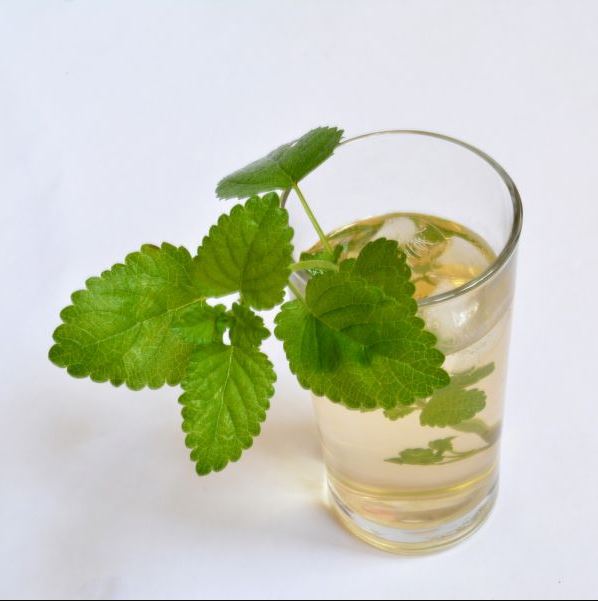
Reduces PMS symptoms: Lemon balm has shown positive results in reducing those pesky mood swings, pains, and other symptoms that come with menstruation. A study in Iran among a small group of teenage girls found that lemon balm actually helps in relieving premenstrual syndrome (PMS) symptoms and pain during menstruation.
The participants were divided into two groups. A group was given 1,200 milligrams of lemon balm essence in a pill everyday during their period, while the second group had a placebo.
Results showed that both groups experienced reduction in symptoms, but the group that received lemon balm experienced a significantly greater relief.
May fight Diabetes: Lemon balm can serve as a powerful antioxidant, which means it can help decrease the amount of reactive oxygen species and be helpful for individuals with diabetes, cardiovascular diseases, and neurodegenerative diseases such as Parkinson’s and Alzheimer’s.
Suppresses Herpes virus: While there is no way to get the herpes virus completely out of one’s body, you can endeavor to prevent outbreaks by keeping the virus under control. Studies have suggested that lemon balm contains some topical ointments that may help heal cold sores caused by the herpes virus.
Reduces inflammation: There is some evidence to support the claim that lemon balm may help fight inflammation. The authors of a recent study recommend the use of lemon balm in treating pain and inflammation sustained from an injury.
Fights viral infection: Lemon balm has shown the potential to fight a spectrum of bacteria inside the body, this is owing to evidence of antiviral properties it contains. Researchers have examined the antimicrobial properties vis-a-vis conditions such as herpes virus.
The review also discovered that lemon balm was effective against certain bacterial and fungal infections in individuals.
https://www.youtube.com/watch?v=cEg5YGLSE1A
Conclusion
While the lemon balm plant may have shown some potential health benefits, one can’t say with certainty the benefits of drinking lemon balm tea as a single entity, as more research is still needed to establish that.
However, studies and anecdotal evidence have also confirmed that combined with other herbs mentioned in this post, lemon balm tea could provide relief for some health challenges including anxiety and insomnia.
However, you’d be advised to exercise caution before using lemon balm in any form, particularly for pregnant women or people with underlying health conditions. The best thing will be to consult your doctor before trying this herbal remedy.
Review of Best Lemon Balm Tea
Herbal tea made from lemon balm is well known for its sedative and calming effects on the body and mind. This is my thorough assessment of a lemon balm tea I recently tested from a well-known company based on the following criteria:
High-quality, organic ingredients were used to make the lemon balm tea I sampled. The absence of pesticides and other dangerous substances in the tea was a major bonus in my book. Every sip had a taste of the lemon balm’s freshness, which gave me confidence in the components’ high standards.
Lemony flavor that wasn’t overbearing or unpleasant, the lemon balm tea had a light, pleasant flavor that was refreshing. The tea was mildly sweet, so there was no need for any additional sweeteners to make it enjoyable to drink. That was a great touch that I could taste the lemon balm’s natural flavor.
Aroma: The lemon balm tea had a lovely, not overpowering citrus aroma that was comforting and soothing. The tea had a soft, warm earthy aroma that was appealing. Both the flavor and the aroma of the tea were pleasing to me.
Packaging: To preserve its freshness and flavor, the lemon balm tea was delivered in airtight packaging. Due to their unique packaging, the tea bags were simple to transport. The information about the tea’s ingredients, brewing directions, and health advantages was included on the box as well.
Reputation: The company I tried has a reputation for making excellent teas, and the lemon balm tea was no different. A major selling feature for me was the company’s well-known use of natural and organic ingredients in their teas.
The cost of the lemon balm tea was fair and comparable to that of other premium herbal teas available on the market. Although it wasn’t the most affordable tea on the market, I thought the value of the ingredients and the brand’s reputation outweighed the cost.
In conclusion, I wholeheartedly urge you to try lemon balm tea, especially if you’re searching for a healthy and energizing way to soothe your body and mind. I enjoyed the flavor and aroma of the lemon balm tea I sampled, which was created with premium ingredients and presented in practical and helpful packaging. Although the tea might not appeal to everyone, I believe it is a decent option for people who want a natural, organic product at a fair price.
Pros
-
High-quality, organic ingredients -
Refreshing and pleasant lemony flavor -
Soothing and calming aroma -
Airtight packaging that protects freshness and flavor -
Reputable brand with a good track record -
Reasonable price
Cons
-
May not be suitable for those who prefer stronger or more complex flavors -
Limited availability in some areas
| # | Preview | Product | Rating | Price | Buy |
|---|---|---|---|---|---|
| 1 | | Buddha Teas Organic Lemon Balm Tea | | $41.94 | |
| 2 | | Traditional Medicinals - Organic Lemon Balm Herbal Tea | | $30.34 | |
| 3 | | Hyleys Sleep Lemon Balm Herbal Tea | | $6.50 | |
EDITORS PICK OF THE BEST LEMON BALM TEA
BEST SELLING LEMON BALM TEA
BESTSELLER NO. 1
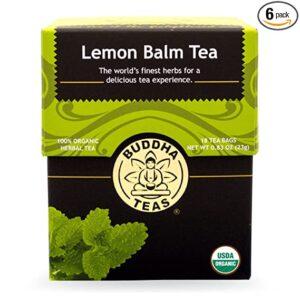
SALE
Buddha Teas Organic Lemon Balm Tea
$41.94
BESTSELLER NO. 2
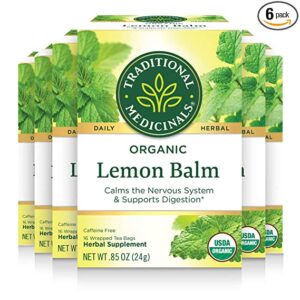
SALE
Traditional Medicinals – Organic Lemon Balm Herbal Tea
$30.34
BESTSELLER NO. 3

SALE