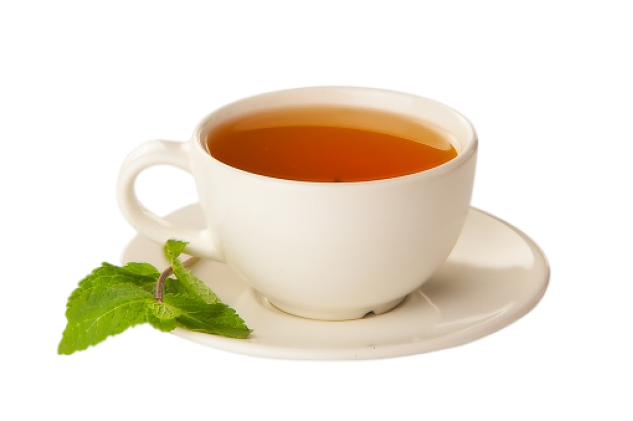
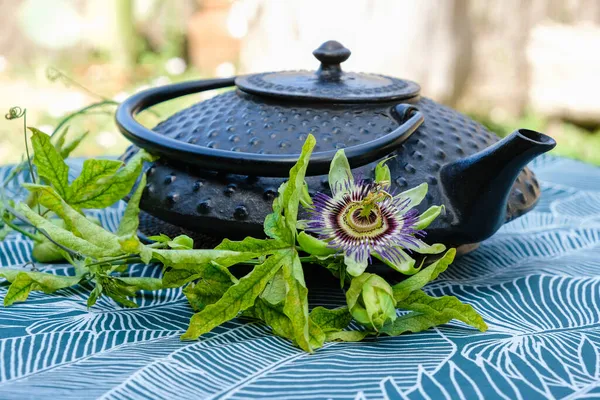
Herbal Tea: Taste The Magical Effects of Herbs & Tea

You might have heard about the wonders of herbal tea, but what you are about to discover about this wonderful beverage will leave you in awe. As you read on, we bet you’re going to rush to the store nearest to you to stock up your pantry with some of the herbal teas we’ll be talking about.

For the uninitiated, let’s quickly lay the ground work. Herbal tea is what you get when two powerful ingredients such as herbs and tea comes together. Herbal teas have been around for over thousands of years and they’ve continued to increase in popularity as the days go by. 

Historically, herbs and tea have been an integral part of Chinese culture and they both serve different purposes. While herbs are commonly used for medicinal purposes, the tea-drinking process is believed to invoke a spiritual satisfaction. 

The Chinese also hold the strong belief that tea consumption is an art, a means of cultivating moral character, and nourishing the mind which may be why it has remained a practice of daily life.

This belief is also supported by the famous quote of an author, Catherine Douzel, who said ‘each cup of tea represents an imaginary voyage’. It’s therefore not surprising that the two powers of herbs and tea later came together in what we know today as herbal tea.  

It may surprise you to hear this, but in technical terms, herbal tea is not actually a true tea. This is to neither scare you nor create confusion. In fact, the term ‘herbal tea’, which has been in use for a very long time, is a shorthand for what we’ve all come to know as plant-based teas.

At this point, it may suffice to take a quick look at what makes tea tea.

Interestingly, when you talk about popular beverages in the world, tea is only second to water. Tea is a product of a specific type of plant known as the Camellia sinensis, otherwise called the tea plant. And true tea can only be derived from the leaves of this tree plant which is more like a shrub than a tree. 

A tea is extracted by the simple process of steeping the young leaves and leaf buds of the tree plant into boiled water which is quite different from the process through which herbal teas are produced.

What Exactly Is Herbal Tea?

As explained above, despite what we have chosen to call it, herbal tea isn’t in fact real ‘tea’. Herbal tea isn’t made from or does not even contain the leaves or leaf buds of the tree plant.

In fact, some fruit trees, roots, tubers, and berries can easily pass for potential herbal tea ingredients.. 

herbal teas are made through a process of steeping spices, herbs, or other plants in hot water in order to extract their essence. Tisanes have over the years proven to have medicinal value.

But sadly, many beverages packaged as ‘herbal tea’ with claims of actual ‘herbal tea’ benefits today have been reduced to mere sweetened juice. This then raises the question of if consuming ‘herbal tea’ is actually healthy.

In its undiluted form, herbal tea offers health-promoting properties and it has served as natural remedies for centuries. It’s important to note that herbal teas come in different varieties and are almost free of caffeine except for a few notable exceptions such as yerba mate and guarana.

The law mandates that a herbal tea with any caffeine content be labeled as such, this is necessary to prevent children and other sensitive people from accidentally consuming caffeine. 

Apart from the popular herbal tea brands such as mint, chamomile, ginger, rooibos, there are several other brands and formulations with both single-ingredients and blends, on the market today.

As much as these brand varieties make for good prospects, it comes with the bane of choosing which herbal tea brand is the most suitable based on an individual’s needs.

photo 1533038590840 1cde6e668a91 2

The Health Benefits Of Drinking Herbal Tea

istockphoto 450664673 1024x1024 2

One interesting thing you’d love about herbal teas is that they offer the versatility of flavor and usage in your beverage reserve. Herbal tea gives you unlimited options when you consider that you can easily blend any multiple loose leaves to concoct any flavor that suits your craving, whether you thirst for fruity chamomile tea or a dessert-like rooibos.

While it’s safe to regularly consume your herbal tea, it’s important to note that overuse can have a downside and creates side effects, therefore moderation is adequately advised. True herbal teas are safe but not every herbal tea is good for everyone, so you may want to seek medical advice before choosing a brand.

Herbal teas can also serve as a unique cocktail especially when infused in alcohol for a lovely feel or is used in non-alcoholic cocktail recipes. Though it can be taken at any time of the day, some people prefer herbal tea in the morning for a tasty boost, while you can also serve it as a warm beverage to savor after a long day.

Much has been said about herbal tea having medicinal values and this claim is backed by scientific evidence; however, herbal teas are used in conjunction with traditional medicine and not as a substitute for them. To know more about the best herbal tea you should buy, keep reading….

Best Teas for Digestion

There are several reasons for you to fall in love with tea. Whether you just need a beverage to quench thirst or you’re looking for a drink that can support digestion, weight loss, and many other health challenges, brewing a cup of tea will always get the job done. Click to see teas that support digestion

Anti Inflammatory Teas

There are several conditions that have been identified as causes of inflammation, which are diabetes, cardiovascular disease, arthritis, and others. Coincidentally, there are a variety of teas that have proven to be effective in fighting off these diseases….. Find our more about them here

Best Weight Loss Teas

While there is no magic bullet for weight loss, herbal teas offer a safe and effective way to support your weight loss goals…. Check out the teas that can aid your weight loss journey here

Teas for Immune System Support

As the saying goes, prevention is the best medicine, therefore, drinking teas that can strengthen your immune system is a daily routine that can keep you protected from those pesky cold and flu bugs and just improve your overall health….. Read more on that here>>

Detox Teas

There is an ongoing debate about whether detox teas are efficient or not. Many people have expressed the belief that they work while others have held a contrary opinion. If you want to know our conclusion after this rigorous research, click here.

The Best Herbal Tea You Should Buy

One interesting thing you’d love about herbal teas is that they offer versatility of flavor and usage in your beverage reserve. Herbal tea gives you unlimited options when you consider that you can easily blend any multiple loose leaf to concoct any flavor that suits your craving, whether you thirst for fruity chamomile tea or a dessert-like rooibos.

Herbal teas can also serve as a unique cocktail especially when infused in alcohol for a lovely feel or is used in non-alcoholic cocktail recipes. Though it can be taken at any time of the day, some people prefer herbal tea in the morning for a tasty boost, while you can also serve it as a warm beverage to savor after a long day. 

While it’s safe to regularly consume your herbal tea, it’s important to note that overuse can have a downside and creates side effects, therefore moderation is adequately advised. True herbal teas are safe but not every herbal tea is good for everyone, so you may want to seek medical advice before choosing a brand.  

 Much has been said about herbal tea having medicinal values and this claim is backed by scientific evidence; however, herbal teas are used in conjunction with traditional medicine and not as a substitute for them. 

To know more about the best herbal tea you should buy, keep reading….

istockphoto 623207758 170667a 3

Chamomile Tea

Chamomile Tea is a type of herbal tea extracted from the plant of the same name. Chamomile is considered a safe plant and has been used as a traditional medicine for a thousand years for several health conditions. So it’s only natural that chamomile tea also serves the same purposes.

Consuming chamomile tea provides a remedy for a wide range of health issues and researchers are increasingly exploring its effectiveness in managing illnesses such as cancer and diabetes.

Chamomile tea is frequently used as a mild sedative thanks to its calming effect.

Two studies which examined the effects of chamomile tea on sleep problems in humans have returned promising discoveries. One of the studies said 8 postpartum women experienced improved sleep quality and fewer symptoms of depression after consuming chamomile tea for two weeks.
Read more about Chamomile tea here

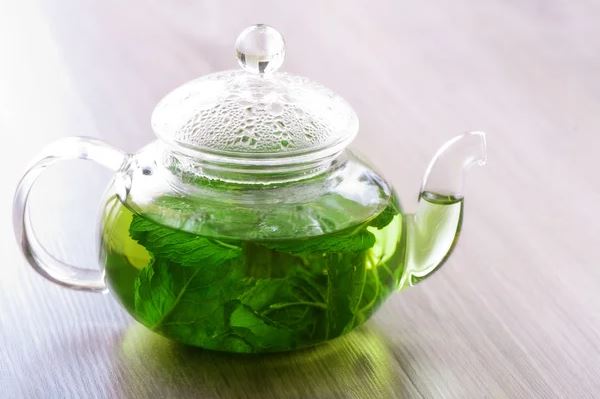
Peppermint Tea

Peppermint tea is a tea made from peppermint leaves that have over a thousand years proven to have medicinal values. Even though research to back up any health claims are still far and between, peppermint tea has shown potency in fighting some health challenges.

While scientists are still trying to know more about the benefits of peppermint oil in pills or that you apply on your skin, the brew, that is peppermint tea, has been certified safe for consumption.

It has been observed over time that peppermint tea can be highly effective in fighting stomach upset, breathing problems, and irritable bowel syndrome.

You can know more about Peppermint Tea here…

Peppermint Tea
Ginger Tea

Ginger Tea

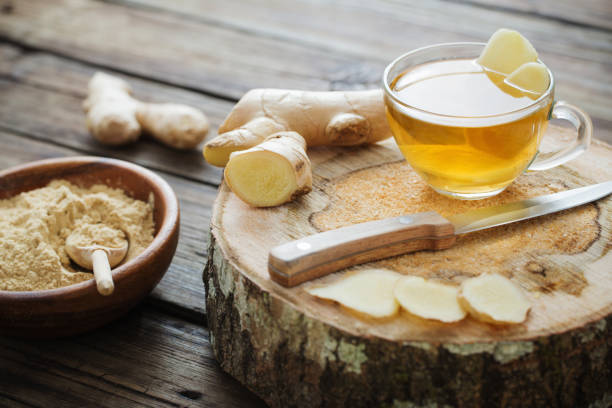
If you enjoy the joy of ginger flavor and would love to consume it in tea form, then ginger tea provides you with a perfect blend of that. However, that’s not just all about this amazing herbal tea.

Ginger tea is a lovely, lightly-spiced beverage good for warming up on a cold day. It can be made by simply infusing ginger in hot water, hence it’s sometimes called ginger water. Ginger tea can be spiced up by adding more ginger into water or just allow it to steep longer.

It provides a soothing and invigorating feeling, and that’s perhaps why most people enjoy taking it in the morning to start the day.

Ginger tea is a great option for those who intend to cut back on alcohol, caffeine, and calorie-free drinks.

Read on to know more about Ginger Tea…..

Rosehip Tea

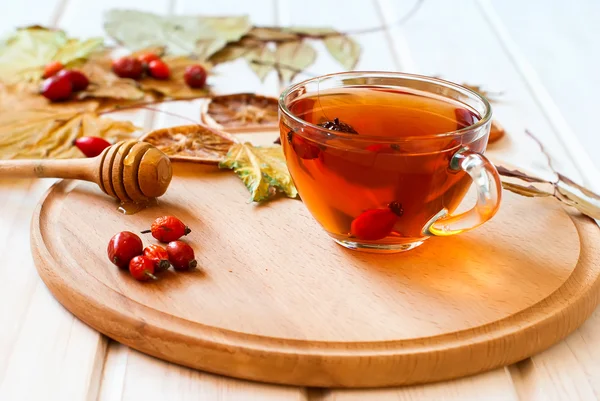
Rosehip tea is a drink made from an accessory fruit that grows on plants in the genus rosa, also known as rose plants. Found at the base of rose flower petals, rosehips are small, round, and typically red or orange.

Rosehips have over the years been used in traditional medicine circles as a remedy for a variety of ailments. Consumers of rosehip tea have also proclaimed that it is good for boosting the immune system but this hasn’t been proven by any scientific research.

However, recent research has focused on the antioxidant effects of rosehip fruit and its natural compounds which include vitamin C, phenolic compounds, and healthy fatty acids.

Read more about rosehip tea here >>.

Rosehip Tea
Lemon Balm Tea

Lemon Balm Tea

Lemon Balm tea is an extract of lemon balm, which is a lemon-scented herb from the mint family. The lemon balm plant is native to parts of Iran, Central Asia, and Europe and people traditionally used it to help improve mood, cognitive decline, and lower anxiety levels.

Even though limited research has been carried out on how lemon balm tea specifically helps individuals, the positive effects of the plant have encouraged many people to consume the lemon balm in its tea form.

Read more about Lemon Balm Tea here..

Hibiscus Tea

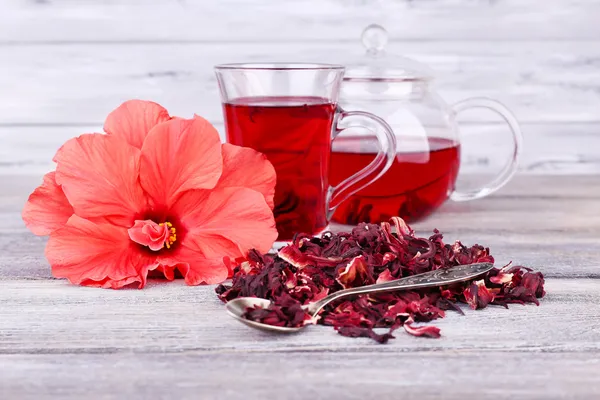
Hibiscus tea is a tasty and nourishing beverage made from the hibiscus flower. It can serve as a warm, soothing drink on chilly days or chilled and refreshing during the summer months.

Hibiscus tea is an infusion of crimson or deep-colored calyces of the roselle flower.

One of the unique things about hibiscus tea is that it can be made by plucking the hibiscus flower from your garden. This herbal tea is consumed for the many health benefits it possesses.

Hibiscus tea is known to be rich in Vitamin C and also contains minerals such as flavonoids, as well as laxative properties which help to
fight insomnia and other sleep-related challenges.

Know more about Hibiscus Tea as you read along..

Hibiscus Tea
Sage Tea

Sage Tea

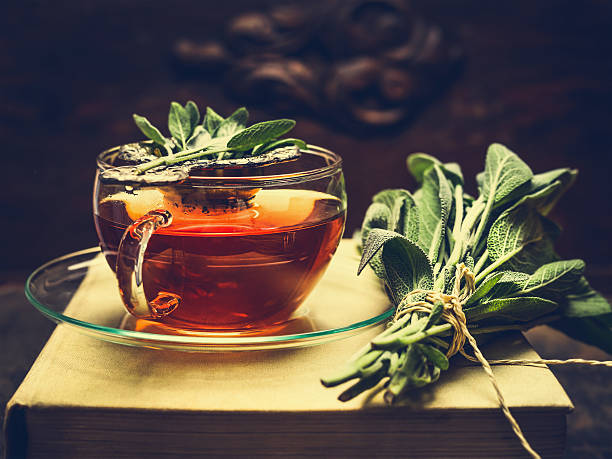
Sage tea is a beverage made from decoction of a popular aromatic herb, sage, in hot water. Sage is also known as common sage or garden herb and just like lemon balm, it’s a member of the mint family.

Sage tea is packed with potential health benefits and this is connected to the medicinal value of sage which has a long history of being used as alternative and traditional medicine. Sage is native to the Mediterranean region and Asian minors who commonly used it as spice in foods and fragrance in soaps and other cosmetics.

However, scientific research on the health benefits of sage tea is still in its preliminary stages, but the minerals, nutrients, and antioxidants contents of sage make the sage tea a good source of remedy for a number of health issues.

Read on about Sage Tea>>>>>

Rooibos Tea

Rooibos Tea has been commonly consumed in southern African countries for centuries but has now become a beloved beverage around the world. The increasing popularity of rooibos tea is down to not only its delicious and flavorful taste but also its potential health benefits.

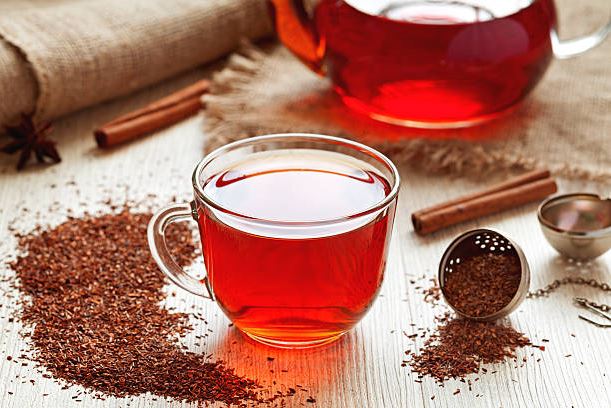
Rooibos tea is a red herbal tea extracted from the fermented leaves of the Aspalathus Linearis shrub. Many people drink rooibos tea as an alternative to black and green tea because it’s caffeine-free.

Advocates have claimed that the antioxidants in rooibos tea can protect against cancer, heart diseases, and stroke, but it’ll be interesting to know if these claims are supported by scientific evidence.

You can know more about the health benefits and potential side effects of rooibos tea, continue reading.

Rooibos tea
Echinacea Tea

Echinacea Tea

Echinacea tea is an offspring of the daisy family which offers a sweet and potent floral flavor. This herbal tea has over the years been used as a natural remedy by North American tribes and indigenous groups.

Echinacea tea is derived from the Echinacea herb which is commonly used to make herbal supplements and herbal remedies, and it’s made by the simple process of infusing the Echinacea plant in hot water.

Echinacea plant is packed with polysaccharides and Vitamin c that help promote overall health and well-being and people enjoy drinking echinacea tea for its potential to prevent infections, boost the immune system, relieve pains, and improve mood
.
Echinacea tea has shown the potential to help boost immune health and prevent common colds.

Read more here>>>>>

Passionflower Tea

If you’re looking for a drink that can make you feel relaxed, enhance your mood, act as a pain reliever, and guarantee you better sleep, go for passionflower tea.

Passionflower tea is a herbal tea of the passionflower, a flowering type of vine that’s believed to help with insomnia and other health issues. The earth is littered with over 500 species of this plant meaning there are a lot of benefits for everyone.

Different studies have suggested that passionflower is effective for increasing gamma-aminobutyric acid (GABA) in the brain. GABA is a naturally-occurring amino acid that reduces activity in the central nervous system.

This results in relaxation, enhanced mood, better sleep, and pain relief, and people who consume passionflower tea have also given similar testimony.

Get to know more about Passionflower here>>>

Passionflower Tea

Frequently Asked Questions (FAQs)

vithome054

There are several benefits in drinking herbal tea. While there’s no single herbal tea brand that can lay claims to provide remedy for all the health concerns, you can easily select a type that best caters to your needs.

In specific terms, herbal teas can work as an immune booster, they can reduce pain and inflammation, improve digestive system and stimulate brain function. In fact, the benefits are endless depending on the type.

Herbal teas are tisanes, which means they are produced from the camellia sinensis plant, also known as the tea plant. Herbal tea are made from variety of herbs via a simple natural process of decoction of tisanes such as spices, herbs, and other plant material in hot water.

Herbal teas are by nature free of caffeine, which means they’re absolutely safe to consume in endless amounts. Therefore,  you won’t suffer any health risk or have to worry about any side effects if you drink up to eight cups of herbal tea a day.

Herbal tea has proven to be a good source of relaxation and sleep aide. Also, there is scientific evidence to support the claim that herbal teas reduce fatigue and improve sleep quality.

However, that’s not to say herbal teas are only good for consumption at night. They can be taken anytime but can serve as a great option before bed time, especially if you’re trying to boot a caffeine habit.

Nowadays, it has become more frequent to see people sip on herbal tea, and that’s because it’s far more beneficial than regular tea. Apart from the flavor, herbal tea also comes with certain health benefits, but little is known about their possible side effects.

As a matter of fact, there is not enough evidence on the side effects of drinking herbal teas, but this is not to rule out some certain possibilities that may occur based on the type you consume.

Since there are different herbal teas, you can also expect different possible side effects related to them. The most common side effects can be headache, soreness, flushing of skin, hormonal imbalance, shock, vomiting, dizziness, heartburn and so on.

While water remains the best recommendation to adults to promote dehydration, herbal tea properties such as Vitamin C, nutrients, and antioxidants make this herb based beverage worth incorporating into your diet. 

Herbal teas are not only safe to consume, they also offer benefits and can serve as a remedy for inflammation, immune deficiency, digestive system issue, and many more.

Chamomile Tea